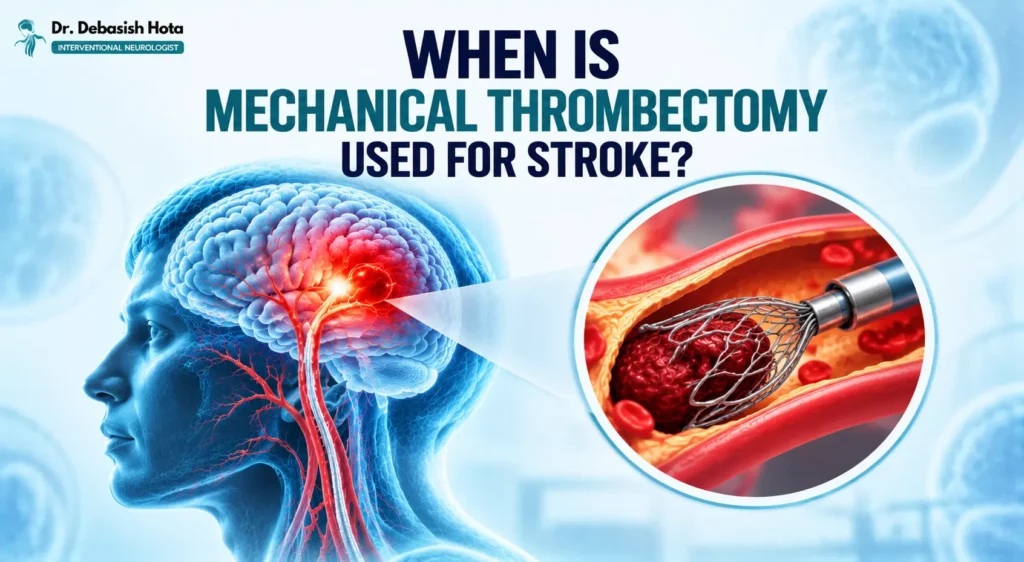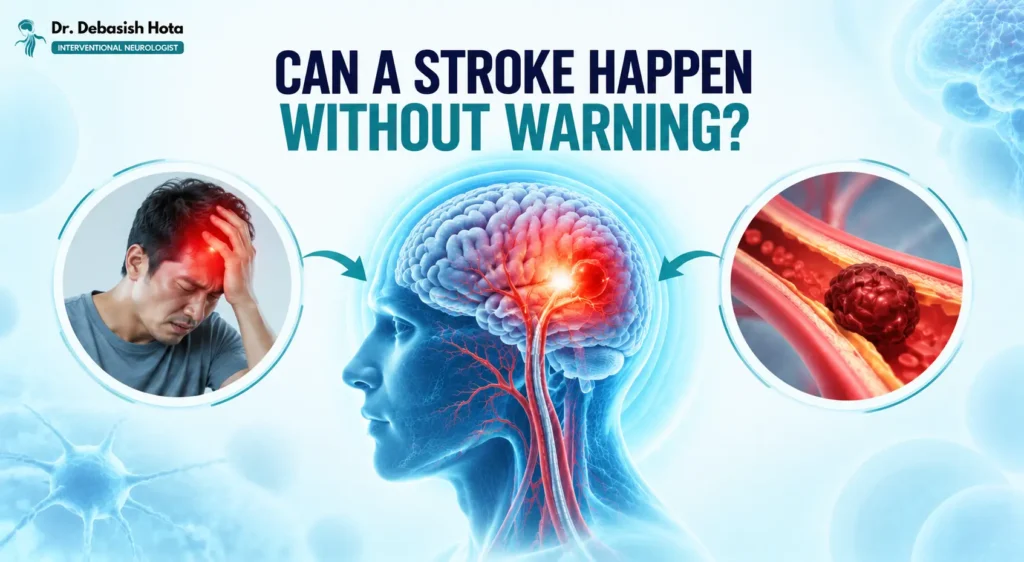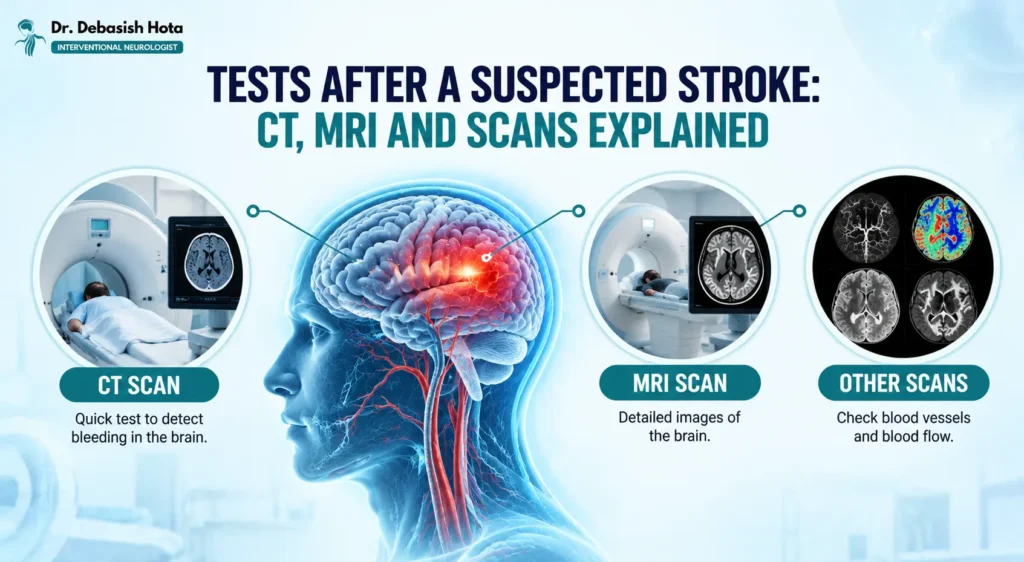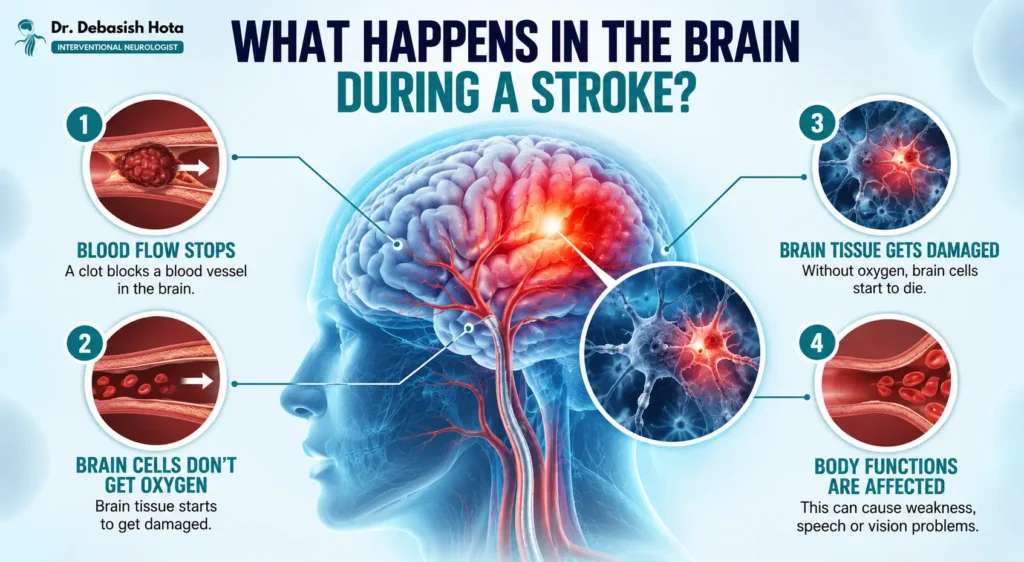
Recognizing the early warning signs of stroke can help individuals seek urgent medical attention when every minute matters. A stroke occurs when blood flow to a part of the brain is interrupted or when a blood vessel in the brain ruptures. Without timely treatment, brain cells can become damaged, potentially leading to long-term disability.
Many people overlook the first symptoms, assuming they will pass on their own. Understanding the warning signs and acting promptly can help reduce complications and support better recovery outcomes.
What Is a Stroke?
A stroke, often called a “brain attack,” occurs when the brain does not receive enough oxygen-rich blood. There are two primary types:
- Ischemic Stroke: Caused by a blocked blood vessel.
- Hemorrhagic Stroke: Caused by bleeding within the brain.
A related condition called a Transient Ischemic Attack (TIA) or “mini-stroke” may produce temporary symptoms but should never be ignored because it can signal a future stroke.
Why Early Recognition Matters
Stroke symptoms often appear suddenly. Quick recognition allows healthcare professionals to evaluate the condition and determine appropriate treatment options as early as possible.
Delays may increase the risk of:
- Permanent neurological damage
- Speech difficulties
- Mobility problems
- Vision impairment
- Long-term disability
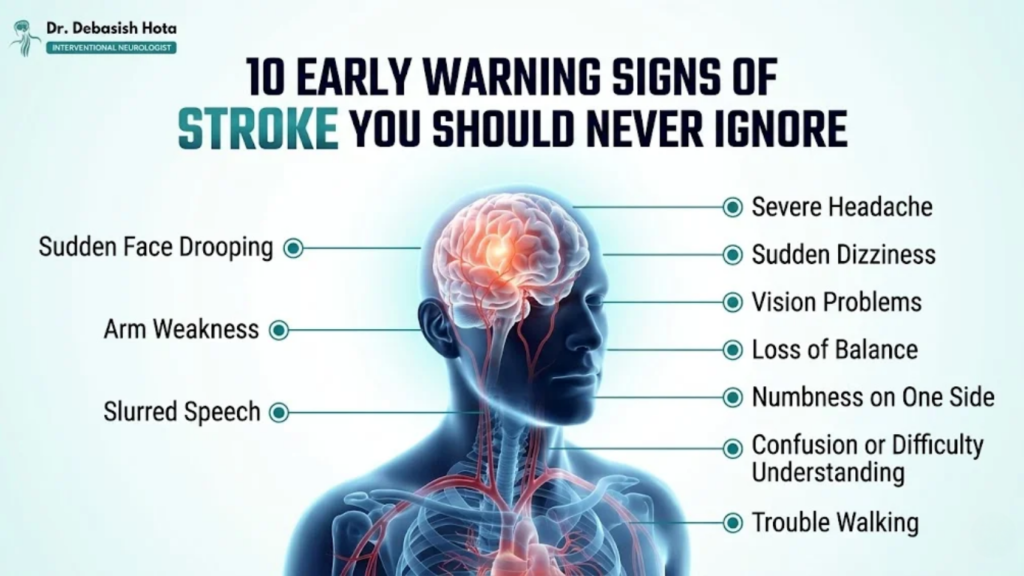
10 Early Warning Signs of Stroke You Should Never Ignore
1. Sudden Weakness on One Side of the Body
One of the most common stroke warning signs is sudden weakness or numbness affecting:
- Face
- Arm
- Leg
Symptoms usually affect only one side of the body.
Why It Happens
Reduced blood flow to specific brain regions can affect muscle control and movement.
2. Facial Drooping
Facial drooping is often among the earliest visible signs of a stroke.
What to Look For
- Uneven smile
- Drooping on one side of the face
- Difficulty controlling facial muscles
This symptom is a key part of the FAST stroke recognition method.
3. Slurred Speech or Difficulty Speaking
Speech changes may occur suddenly.
Common Signs
- Slurred speech
- Difficulty finding words
- Inability to understand conversations
- Speaking incoherently
Speech problems should always be evaluated urgently.
4. Sudden Vision Changes
Stroke can affect vision in one or both eyes.
Possible Symptoms
- Blurred vision
- Double vision
- Partial vision loss
- Complete vision loss in one eye
Vision disturbances should never be ignored, especially when they occur suddenly.
5. Severe Sudden Headache
A sudden, intense headache without an obvious cause can be a warning sign, particularly in hemorrhagic stroke.
Warning Features
- Extremely severe pain
- Rapid onset
- Associated nausea or vomiting
- Sensitivity to light
Seek emergency medical attention if a severe headache develops unexpectedly.
6. Dizziness or Loss of Balance
Many people search for “dizziness and stroke symptoms” because balance disturbances can indicate neurological problems.
Symptoms May Include
- Feeling unsteady
- Difficulty walking
- Sudden loss of coordination
- Frequent stumbling
These symptoms may occur with other stroke warning signs.
7. Confusion or Difficulty Understanding
Stroke may affect areas of the brain responsible for communication and cognition.
Signs Include
- Sudden confusion
- Difficulty understanding simple instructions
- Memory disruption
- Trouble concentrating
Any abrupt mental status change requires medical evaluation.
8. Sudden Numbness
Numbness may occur independently or alongside weakness.
Common Areas
- Face
- Arm
- Hand
- Leg
Sudden numbness affecting one side of the body should be treated as a medical emergency.
9. Difficulty Swallowing
Some strokes affect muscles involved in swallowing.
Symptoms
- Choking while eating
- Difficulty swallowing liquids
- Feeling that food is stuck in the throat
Although less recognized, swallowing difficulties can be associated with stroke.
10. Symptoms That Come and Go
Temporary symptoms may indicate a Transient Ischemic Attack (TIA).
Common Temporary Symptoms
- Brief weakness
- Temporary speech problems
- Short-term vision changes
- Brief episodes of dizziness
Even if symptoms disappear, medical evaluation remains essential because a TIA can precede a major stroke.
Understanding the FAST Method
The FAST test helps identify stroke symptoms quickly:
F – Face
Ask the person to smile. Is one side drooping?
A – Arms
Ask them to raise both arms. Does one arm drift downward?
S – Speech
Is speech slurred or difficult to understand?
T – Time
If any of these signs are present, seek emergency medical assistance immediately.
Who Is at Higher Risk?
Certain factors increase stroke risk:
- High blood pressure
- Diabetes
- High cholesterol
- Smoking
- Obesity
- Heart disease
- Physical inactivity
- Family history of stroke
- Increasing age
Regular medical checkups may help identify risk factors that require management.
When to Seek Emergency Medical Care
Seek immediate emergency care if you notice:
- Facial drooping
- Sudden weakness
- Slurred speech
- Sudden vision loss
- Severe unexplained headache
- Sudden confusion
- Loss of balance
Do not wait for symptoms to improve on their own.
Stroke Prevention Tips
Although not all strokes can be prevented, risk may be reduced by:
- Controlling blood pressure
- Managing diabetes
- Maintaining healthy cholesterol levels
- Exercising regularly
- Avoiding tobacco use
- Limiting excessive alcohol consumption
- Following a balanced diet
- Attending regular medical evaluations
Risks and Limitations
Not every symptom listed above automatically indicates a stroke. Conditions such as migraines, seizures, inner ear disorders, and certain neurological disorders can sometimes produce similar symptoms.
Only a qualified healthcare professional can determine the cause through appropriate clinical evaluation and diagnostic testing.
Conclusion
The early warning signs of stroke often appear suddenly and should never be ignored. Facial drooping, speech difficulty, weakness, vision changes, dizziness, and severe headaches may indicate a neurological emergency. Recognizing these symptoms quickly and obtaining immediate medical assessment can help ensure appropriate evaluation and treatment decisions.
Medical Disclaimer
This article is intended for educational purposes only and should not replace professional medical advice, diagnosis, or treatment. If you suspect a stroke or any medical emergency, seek immediate medical attention.
FAQs
What are the earliest warning signs of stroke?
Common early warning signs include facial drooping, weakness on one side of the body, slurred speech, sudden vision changes, dizziness, and severe headache.
Can stroke symptoms appear suddenly?
Yes. Stroke symptoms often develop suddenly and require urgent medical evaluation.
Can stroke symptoms come and go?
Yes. Temporary symptoms may indicate a Transient Ischemic Attack (TIA), which should still be treated as a medical emergency.
Are stroke symptoms different in women?
Women may experience traditional stroke symptoms as well as symptoms such as confusion, generalized weakness, or sudden changes in mental status.
What should I do if I suspect a stroke?
Seek emergency medical care immediately. Do not wait for symptoms to improve.
Can young adults experience stroke symptoms?
Yes. Although stroke is more common in older adults, it can occur in younger individuals as well.