When comparing stroke vs heart attack, many people assume they are the same medical emergency. While both conditions require immediate treatment and share several risk factors, they affect different organs and often present with different warning signs. Understanding the differences can help patients and caregivers recognize symptoms quickly and seek appropriate emergency care.
This educational guide explains the major distinctions between strokes and heart attacks, common symptoms, risk factors, diagnosis, treatment approaches, and prevention strategies. If someone develops sudden neurological symptoms or chest discomfort, emergency medical evaluation should never be delayed.
What Is a Stroke?
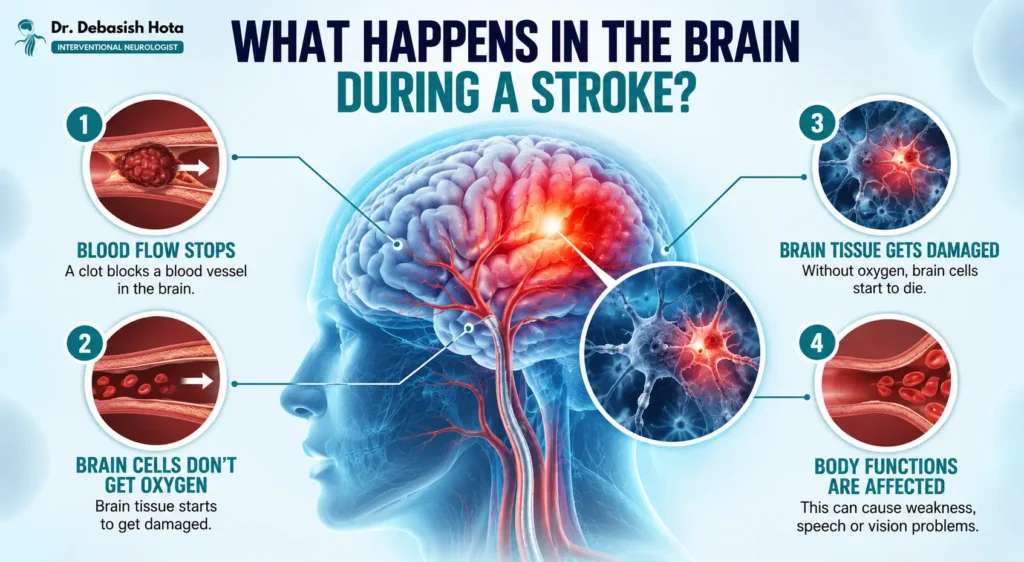
A stroke occurs when blood flow to part of the brain is interrupted or when a blood vessel in the brain ruptures, depriving brain tissue of oxygen and nutrients. Brain cells can begin to die within minutes, making rapid treatment critical.
The two major types include:
- Ischemic stroke (caused by blocked blood vessels)
- Hemorrhagic stroke (caused by bleeding in or around the brain)
Common symptoms include:
- Sudden weakness or numbness, especially on one side
- Facial drooping
- Slurred speech or difficulty speaking
- Vision changes
- Sudden confusion
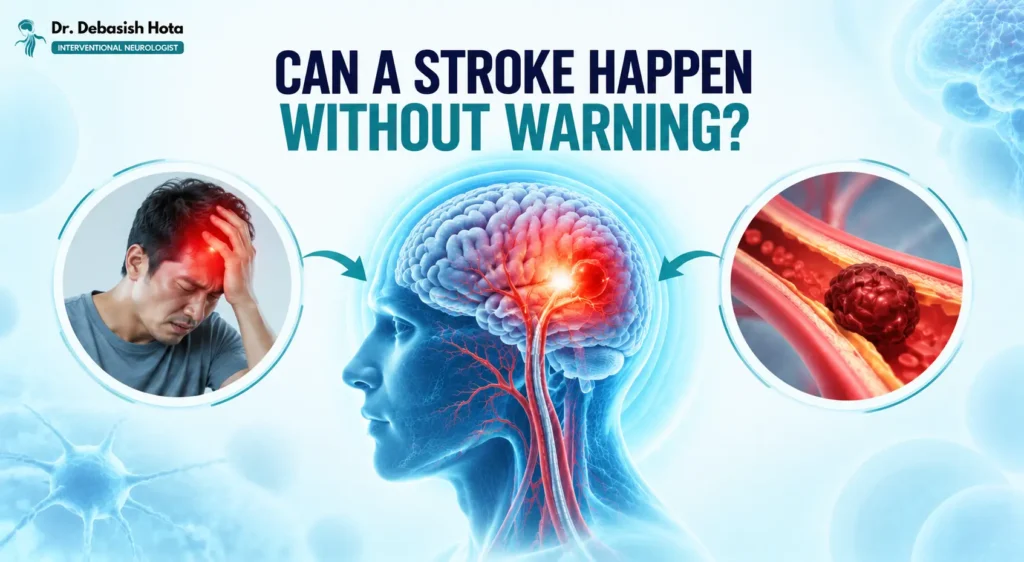
- Severe headache
- Difficulty walking, dizziness, or loss of balance
Recognizing symptoms early using the FAST approach (Face drooping, Arm weakness, Speech difficulty, Time to call emergency services) can help patients receive timely care.
What Is a Heart Attack?
A heart attack, also called myocardial infarction, occurs when blood flow to part of the heart muscle becomes blocked, usually because of reduced blood supply through a coronary artery.
Without prompt treatment, heart muscle damage can become permanent.
Common warning signs include:
- Chest pain or pressure
- Pain spreading to the arm, shoulder, neck, jaw, or back
- Shortness of breath
- Cold sweats
- Nausea or vomiting
- Lightheadedness
- Unusual fatigue, particularly in women and older adults
Not every heart attack causes severe chest pain, and symptoms can vary between individuals.
Key Differences Between Stroke and Heart Attack
| Stroke | Heart Attack |
|---|---|
| Primarily affects the brain | Primarily affects the heart muscle |
| Often presents with facial drooping and speech difficulty | Often presents with chest pain or pressure |
| May cause sudden weakness on one side | May cause pain radiating to the arm or jaw |
| Can produce confusion or vision changes | Frequently causes shortness of breath and sweating |
| Requires neurological emergency treatment | Requires urgent cardiac treatment |
Although both conditions involve interrupted blood supply, the affected organ and typical symptoms differ significantly.
Common Symptoms to Watch For
Symptoms More Suggestive of Stroke
- Facial drooping
- Sudden arm or leg weakness
- Difficulty speaking
- Sudden confusion
- Trouble understanding speech
- Loss of coordination
- Sudden vision problems
Symptoms More Suggestive of Heart Attack
- Chest discomfort or tightness
- Pain radiating to the left arm, shoulder, neck, jaw, or back
- Shortness of breath
- Cold sweating
- Nausea
- Unexplained fatigue
- Palpitations
Some symptoms may overlap, such as dizziness or weakness, making professional evaluation essential.
Shared Risk Factors
Stroke and heart attack share many preventable risk factors, including:
- High blood pressure
- Diabetes
- Smoking
- High cholesterol
- Obesity
- Physical inactivity
- Poor dietary habits
- Excessive alcohol intake
- Family history of cardiovascular disease
- Increasing age
Managing these conditions may help reduce the likelihood of future cardiovascular events.
When Should You Seek Emergency Medical Care?
Call emergency medical services immediately if someone experiences:
- Sudden facial drooping
- Difficulty speaking
- Sudden weakness on one side
- Severe chest pain or pressure
- Shortness of breath
- Sudden confusion
- Loss of consciousness
- Sudden severe headache with neurological symptoms
Driving yourself to the hospital during a suspected medical emergency may not be the safest option.
How Doctors Diagnose Stroke and Heart Attack
Stroke Evaluation
Doctors may use:
- Neurological examination
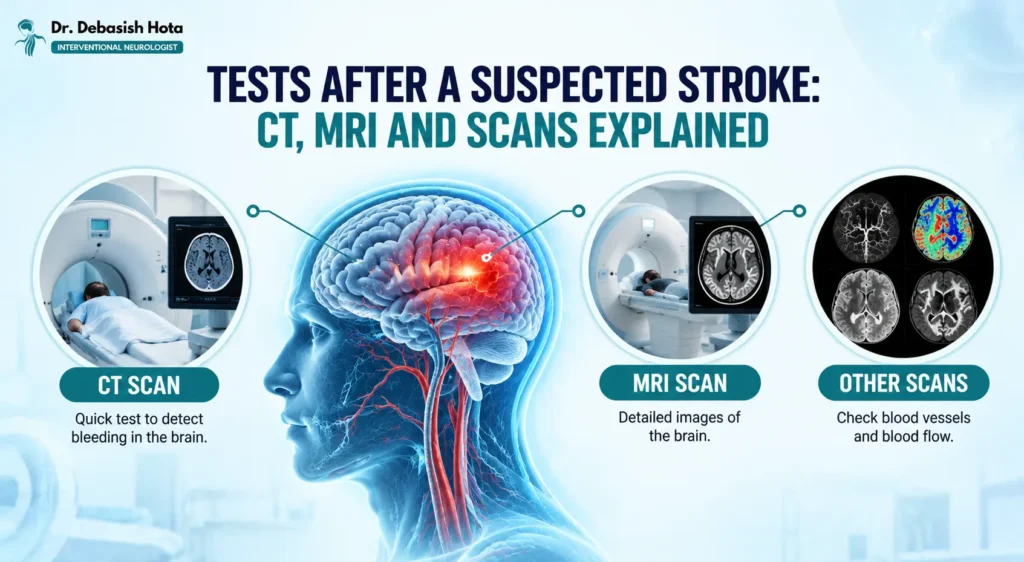
- CT scan
- MRI scan
- CT or MR angiography
- Blood tests
- Carotid imaging
- Cardiac evaluation when indicated
Heart Attack Evaluation
Diagnosis may include:
- Electrocardiogram (ECG)
- Blood tests including cardiac biomarkers
- Echocardiography
- Coronary angiography
- Chest imaging when clinically appropriate
Rapid diagnosis guides time-sensitive treatment decisions.
Treatment Differences
Stroke Treatment
Depending on the stroke type and timing, management may involve:
- Clot-dissolving medications for eligible ischemic strokes
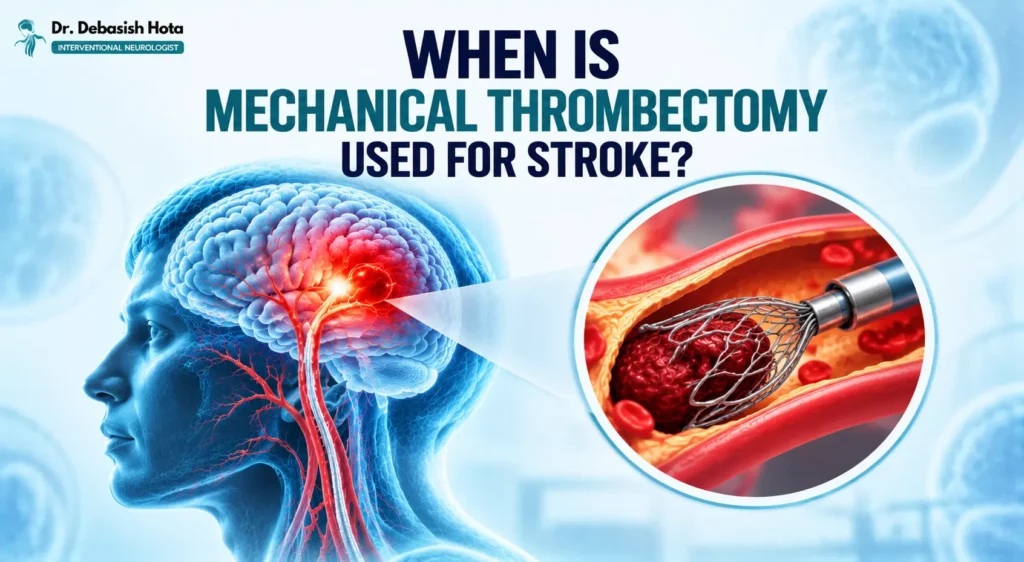
- Mechanical clot removal in selected patients
- Blood pressure management
- Surgery for certain hemorrhagic strokes
- Rehabilitation therapy
Heart Attack Treatment
Treatment may include:
- Medications to improve blood flow
- Coronary angioplasty and stenting
- Antiplatelet therapy
- Blood pressure and cholesterol management
- Cardiac rehabilitation
- Lifestyle modification
Treatment plans vary according to individual medical evaluation.
Prevention Tips
Reducing risk often involves healthy lifestyle choices:
- Control blood pressure
- Manage diabetes effectively
- Keep cholesterol within recommended targets
- Avoid tobacco products
- Exercise regularly after medical advice
- Maintain a healthy weight
- Eat a balanced diet rich in fruits, vegetables, and whole grains
- Limit alcohol intake
- Take prescribed medications consistently
- Attend routine health check-ups
Risks and Limitations
Even individuals without obvious risk factors can experience a stroke or heart attack. Symptoms may be atypical, especially in women, older adults, and people with diabetes. Educational information cannot replace individualized medical assessment, and delays in treatment may increase the risk of serious complications.
Conclusion
Understanding the differences between stroke and heart attack can help people recognize warning signs and appreciate the importance of urgent medical evaluation. Although these emergencies affect different organs, both require prompt diagnosis and treatment. Individuals with concerns about cardiovascular or neurological risk factors should discuss preventive strategies with a qualified healthcare professional and undergo appropriate health assessments when recommended.
Medical Disclaimer
This article is for informational purposes only and does not replace professional medical advice, diagnosis, or treatment. If you suspect a stroke or heart attack, seek immediate emergency medical care.
FAQs
Q1. What is the main difference between a stroke and a heart attack?
Answer: A stroke affects blood flow to the brain, while a heart attack affects blood flow to the heart muscle.
Q2. Can a stroke happen without chest pain?
Answer: Yes. Stroke symptoms commonly include facial drooping, speech difficulty, weakness, or confusion rather than chest pain.
Q3. Does every heart attack cause severe chest pain?
Answer: No. Some people, particularly women, older adults, and people with diabetes, may experience atypical symptoms.
Q4. Can someone have both a stroke and a heart attack?
Answer: Although uncommon, a person can experience both conditions, particularly if significant cardiovascular disease is present.
Q5. Is facial drooping a sign of a heart attack?
Answer: Facial drooping is more commonly associated with stroke and should prompt immediate emergency evaluation.
Q6. Can diabetes increase the risk of both conditions?
Answer: Yes. Diabetes is a major risk factor for both stroke and heart attack.