
A stroke occurs when part of the brain does not receive enough blood and oxygen, or when bleeding occurs inside or around the brain. The two major types are ischemic stroke and hemorrhagic stroke. Although both can cause sudden neurological symptoms, their causes and treatments are different.
Knowing the difference between ischemic vs hemorrhagic stroke is important because stroke is a medical emergency. A person with sudden weakness, difficulty speaking, facial drooping, severe headache, vision changes, or loss of balance needs urgent medical evaluation.
What Is an Ischemic Stroke?
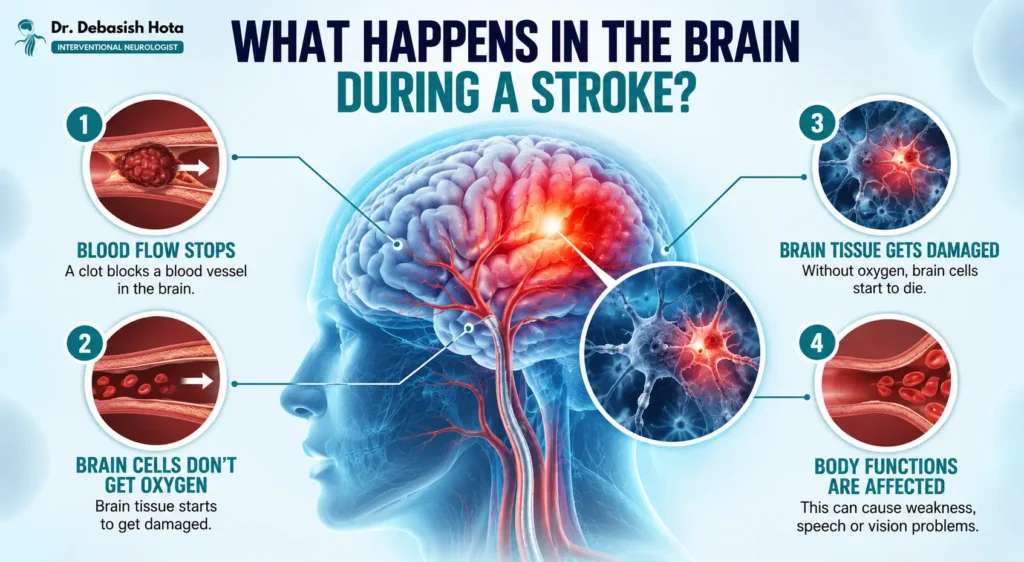
An ischemic stroke occurs when a blood vessel supplying the brain becomes blocked. The blockage reduces blood flow and deprives brain tissue of oxygen.
Ischemic strokes account for the majority of strokes. A blockage may develop from a blood clot within a blood vessel or may travel from another part of the body to the brain.
Common Causes of Ischemic Stroke
Risk factors and causes may include:
- High blood pressure
- Diabetes
- High cholesterol
- Smoking or tobacco use
- Atrial fibrillation and other heart conditions
- Narrowing of the carotid arteries
- Previous stroke or transient ischemic attack (TIA)
- Certain blood-clotting disorders
In some people, the exact cause may remain unclear even after evaluation.
What Is a Hemorrhagic Stroke?
A hemorrhagic stroke happens when a blood vessel in or around the brain ruptures and bleeds.
The accumulated blood can damage nearby brain tissue and increase pressure within the skull. Hemorrhagic stroke is less common than ischemic stroke but can be life-threatening.
Common Causes of Hemorrhagic Stroke
Possible causes include:
- Uncontrolled high blood pressure
- Ruptured brain aneurysm
- Abnormal blood vessels in the brain
- Certain bleeding disorders
- Blood-thinning medicines in some circumstances
- Head trauma in some cases
The specific cause determines which treatments may be appropriate.
Ischemic vs Hemorrhagic Stroke: Key Differences
The most important difference is what happens to the blood vessel.
| Feature | Ischemic Stroke | Hemorrhagic Stroke |
|---|---|---|
| Main problem | Blood vessel becomes blocked | Blood vessel ruptures |
| Blood flow | Reduced or stopped | Blood leaks into or around the brain |
| Common causes | Blood clots, artery narrowing | High blood pressure, aneurysm and vascular abnormalities |
| Main treatment approach | Restore or improve blood flow when appropriate | Control bleeding and pressure, and treat the underlying cause |
| Emergency imaging | Brain imaging is needed | Brain imaging is needed |
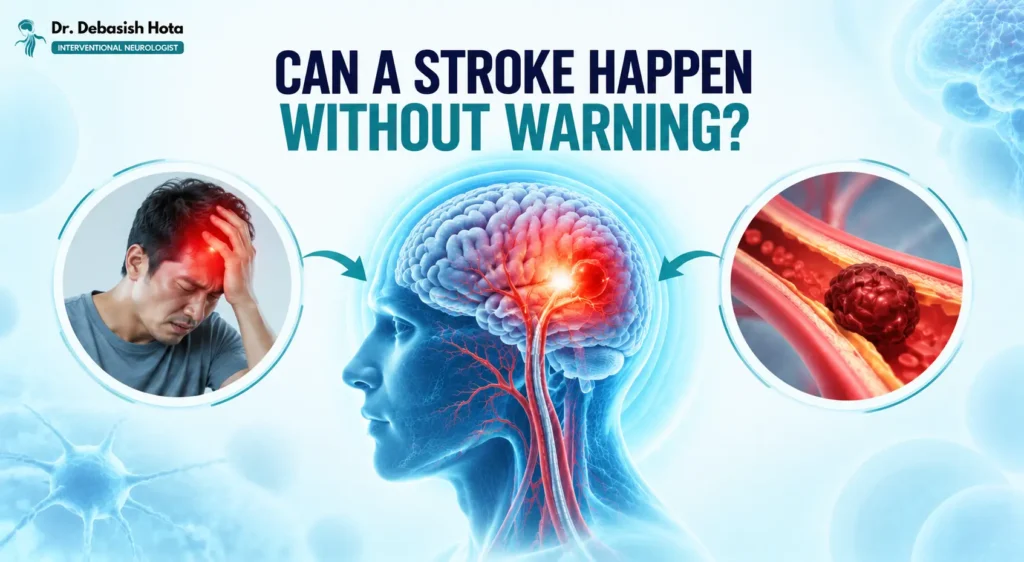
Importantly, symptoms alone cannot reliably tell you which type of stroke someone is having. Brain imaging is usually required before doctors decide on the appropriate treatment.
What Are the Symptoms of Both Types of Stroke?
Ischemic and hemorrhagic strokes can have similar symptoms because both can injure brain tissue.
Watch for sudden:
- Weakness or numbness, particularly on one side of the body
- Drooping of one side of the face
- Difficulty speaking or understanding speech
- Loss or change of vision
- Severe dizziness or difficulty walking
- Loss of coordination or balance
- Confusion or reduced alertness
A hemorrhagic stroke may also be associated with a sudden, severe headache, vomiting, seizures, or rapidly worsening consciousness. However, these features are not enough to determine the stroke type.
Why Brain Imaging Is Essential
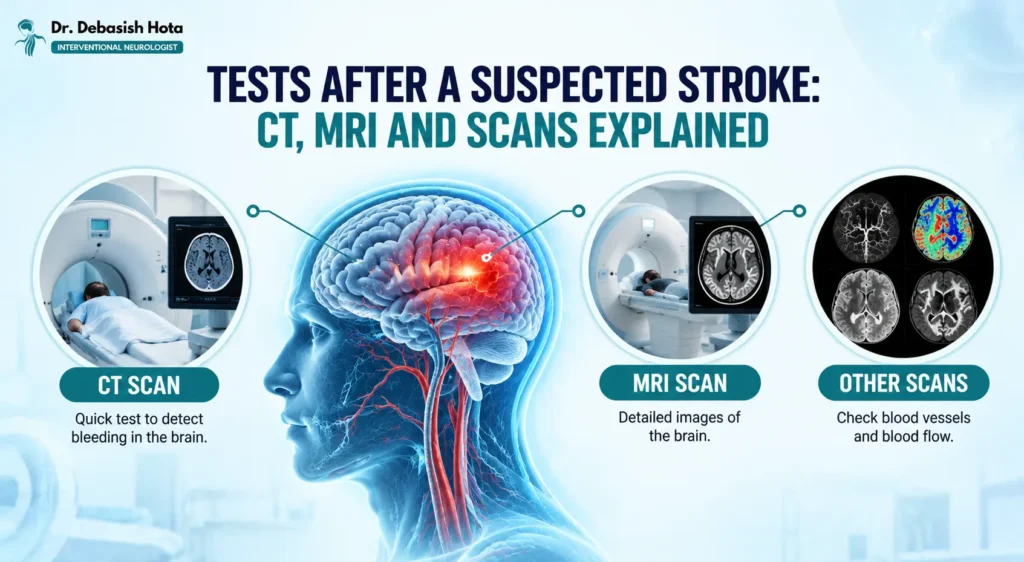
When stroke is suspected, doctors need to determine whether the problem is caused by a blocked blood vessel or bleeding.
A CT scan of the brain is commonly used because it can quickly identify bleeding. An MRI may also be used in selected situations to provide more detailed information about brain injury.
Doctors may also recommend tests such as:
- CT or MR angiography to assess blood vessels
- Blood tests
- Electrocardiogram (ECG)
- Heart rhythm monitoring
- Carotid artery evaluation
- Echocardiography in selected patients
The choice of tests depends on the patient’s symptoms, medical history, examination findings, and clinical situation.
How Is Ischemic Stroke Treated?
Treatment depends on factors such as when symptoms began, the location of the blockage, the patient’s medical condition, and imaging findings.
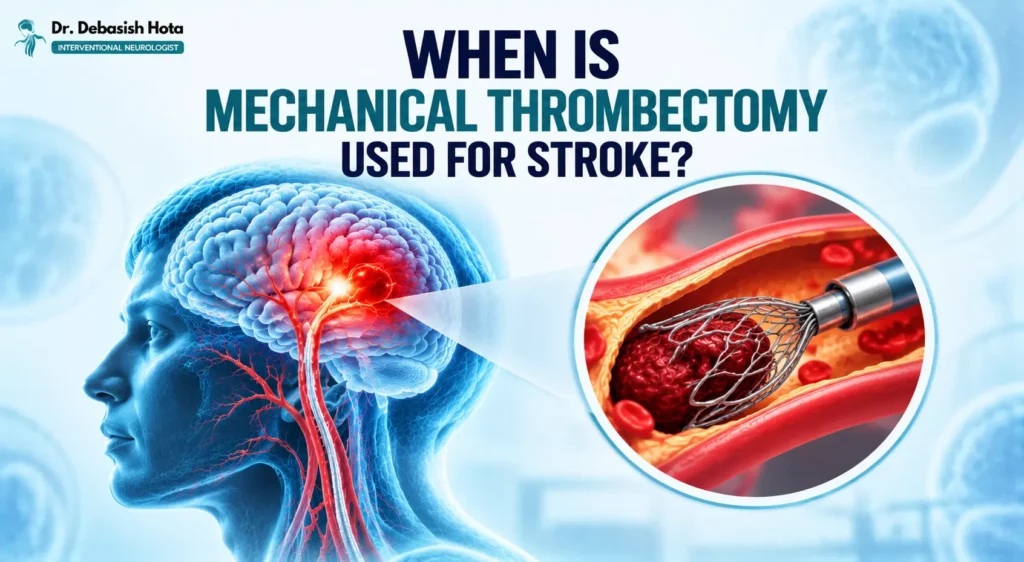
In eligible patients, treatment may include medicines designed to dissolve certain blood clots or mechanical thrombectomy, a procedure that removes a clot from a blocked large blood vessel.
Long-term treatment may also involve managing the underlying risk factors and preventing another stroke.
This can include appropriate medicines for blood pressure, cholesterol, heart rhythm, diabetes, or blood clot prevention, depending on the cause.
How Is Hemorrhagic Stroke Treated?
Treatment for hemorrhagic stroke focuses on controlling bleeding, managing pressure within the skull, protecting brain function, and addressing the cause of the hemorrhage.
Depending on the situation, treatment may involve:
- Careful blood pressure management
- Adjusting or reversing certain blood-thinning medicines when medically indicated
- Treatment of increased pressure in the brain
- Neurosurgical procedures in selected patients
- Treatment of an aneurysm or abnormal blood vessel when appropriate
- Intensive monitoring and supportive care
Not every hemorrhagic stroke requires surgery. The decision depends on the location and size of the bleeding, the cause, neurological status, and other clinical factors.
Why Stroke Symptoms Should Never Be Ignored
Stroke treatment is highly time-sensitive. If someone develops sudden neurological symptoms, do not wait to see whether they disappear.
Even if symptoms improve within a short time, the episode could represent a TIA or another serious neurological problem requiring urgent assessment.
If stroke is suspected, seek emergency medical care immediately and note the time the person was last known to be well. This information can be important when doctors determine which treatments may be appropriate.
Ischemic vs Hemorrhagic Stroke: Can They Be Prevented?
Not every stroke can be prevented, but controlling major risk factors can reduce the likelihood of stroke.
Important preventive measures include:
- Keeping blood pressure under appropriate control
- Managing diabetes and cholesterol
- Avoiding tobacco
- Maintaining regular physical activity
- Following a balanced eating pattern
- Taking prescribed medicines as directed
- Managing heart conditions such as atrial fibrillation
- Attending recommended medical follow-ups
Prevention should be individualized according to a person’s health history and risk factors.
Risks and Limitations
Stroke can cause temporary or permanent problems involving movement, speech, memory, vision, swallowing, or other brain functions.
Recovery varies considerably. Some people regain much of their function, while others may require long-term rehabilitation and support.
This article provides general health information and cannot determine whether a particular person has an ischemic or hemorrhagic stroke. Only appropriate clinical assessment and diagnostic testing can establish the diagnosis and guide treatment.
Conclusion
Ischemic and hemorrhagic strokes are different medical conditions, but both require urgent attention. An ischemic stroke results from a blocked blood vessel, while a hemorrhagic stroke results from bleeding caused by a ruptured blood vessel.
Because the symptoms can overlap, it is not safe to determine the stroke type based only on what you see. Brain imaging and clinical evaluation are essential for selecting appropriate treatment.
If someone develops sudden weakness, facial drooping, speech difficulty, vision changes, severe dizziness, or other possible stroke symptoms, seek emergency medical care immediately.
Medical Disclaimer
This article is intended for general educational and health-awareness purposes only. It does not replace consultation, examination, diagnosis, or treatment by a qualified healthcare professional. Stroke is a medical emergency, and suspected stroke symptoms require immediate emergency medical attention. Treatment decisions depend on the individual’s symptoms, examination, imaging, medical history, and other clinical factors. Do not start, stop, or change any medication based solely on information in this article.
FAQs
1. What is the difference between ischemic and hemorrhagic stroke?
An ischemic stroke occurs when a blood vessel supplying the brain becomes blocked. A hemorrhagic stroke occurs when a blood vessel ruptures and causes bleeding in or around the brain.
2. Which is more common, ischemic or hemorrhagic stroke?
Ischemic stroke is more common. However, both types can cause serious brain injury and require urgent medical evaluation.
3. Can symptoms tell whether a stroke is ischemic or hemorrhagic?
Not reliably. Both types can cause weakness, facial drooping, speech problems, vision changes, dizziness, and confusion. Brain imaging is generally needed to identify bleeding and guide treatment.
4. Can a hemorrhagic stroke be treated without surgery?
Yes. Some hemorrhagic strokes are managed with medical treatment and close monitoring. Surgery or another procedure may be considered when the location, size, cause, or effects of the bleeding make it appropriate.
5. What should I do if I notice possible stroke symptoms?
Seek emergency medical care immediately. Note the time symptoms started or the last time the person was known to be well, and do not wait to see whether symptoms improve.
6. Can a person have another stroke after an ischemic or hemorrhagic stroke?
Yes. The risk of another stroke depends on the underlying cause and individual risk factors. Medical follow-up, appropriate treatment, and management of modifiable risk factors are important parts of secondary stroke prevention.