
A seizure can happen when there is a sudden burst of abnormal electrical activity in the brain. While epilepsy itself may develop because of different underlying causes, some factors can increase the likelihood of a seizure occurring in people who are already prone to seizures.
Many patients ask, “What can trigger a seizure?” or “Why do seizures happen suddenly even when treatment is ongoing?”
The answer is that seizure triggers are different for every person. A factor that affects one individual may not affect another. Commonly reported triggers include sleep deprivation, stress, missed medication, alcohol use, dehydration, illness, and certain environmental factors.
Understanding personal seizure triggers can help patients and families recognize patterns and discuss them with their neurologist.
Difference Between Seizure Causes and Triggers
Many people confuse seizure causes with seizure triggers, but they are not the same.
Seizure Causes
The cause refers to why a person developed epilepsy or a tendency to have seizures.
Possible causes may include:
- Genetic factors
- Previous brain injury
- Stroke-related brain changes
- Brain infections
- Developmental conditions
- Structural changes in the brain
Seizure Triggers
A trigger is a temporary factor that may increase the chance of a seizure occurring in someone who already has a seizure tendency.
Examples include:
- Poor sleep
- Emotional stress
- Missing prescribed medication
- Dehydration
- Alcohol consumption
- Fever or illness
- Flashing lights in some people
Not every person with epilepsy has identifiable triggers. Some seizures may occur without an obvious warning factor.
Common Triggers That Can Cause Seizures
1. Lack of Sleep or Irregular Sleep Patterns
Sleep disturbance is one of the most commonly reported seizure triggers.
The brain depends on regular sleep cycles to maintain normal electrical activity. Reduced sleep, staying awake for long periods, or frequently changing sleep schedules may increase seizure risk in some people with epilepsy.
Common sleep-related factors include:
- Sleeping fewer hours than usual
- Staying awake late at night
- Frequent sleep interruptions
- Irregular work shifts
- Poor sleep quality
Patients with epilepsy are often advised to maintain a consistent sleep routine.
Helpful sleep habits may include:
- Going to bed and waking up at similar times daily
- Avoiding excessive screen exposure before sleep
- Managing sleep disorders with medical guidance
- Avoiding intentional sleep deprivation
However, sleep patterns should be discussed individually because seizure triggers vary from person to person.
2. Stress and Emotional Changes
Many people report that emotional stress affects their seizure pattern.
Stress may influence the body through:
- Changes in sleep quality
- Hormonal responses
- Increased fatigue
- Changes in daily routines
- Reduced medication adherence
Stress alone does not cause epilepsy, but it may act as a trigger for some individuals who already have a seizure disorder.
Examples of stressful situations may include:
- Work pressure
- Family problems
- Anxiety
- Major emotional events
- Prolonged mental exhaustion
Stress management strategies that may support overall health include:
- Regular physical activity as advised
- Relaxation techniques
- Maintaining a balanced routine
- Seeking professional support when needed
3. Missing or Changing Epilepsy Medication
One of the important preventable seizure triggers is not taking antiseizure medication as prescribed.
A sudden reduction in medication levels can increase the possibility of breakthrough seizures.
Common medication-related problems include:
- Forgetting doses
- Stopping medicine without medical advice
- Changing dosage independently
- Running out of medication
- Taking medicines at inconsistent times
Patients should not stop antiseizure medication suddenly, even if they have been seizure-free for a long time.
Any change in medication should be discussed with the treating neurologist.
4. Dehydration and Physical Stress on the Body
Dehydration may contribute to seizure risk in some people, especially when combined with other factors such as:
- Lack of sleep
- Fever
- Illness
- Excessive sweating
- Poor fluid intake
During hot weather, exercise, illness, or travel, maintaining adequate hydration may be important for overall health.
However, dehydration is not a seizure trigger for every person with epilepsy.
5. Alcohol Consumption
Alcohol can affect brain activity and may increase seizure risk in some people.
Risk may be higher because of:
- Heavy alcohol intake
- Alcohol withdrawal
- Poor sleep after alcohol use
- Missed medication doses
- Dehydration associated with alcohol use
People with epilepsy should discuss alcohol consumption with their neurologist because recommendations may vary depending on their condition and treatment.
6. Fever, Illness and Physical Health Changes
Illness can sometimes increase seizure risk, especially in people who already have epilepsy or a tendency to develop seizures.
Certain conditions that may contribute include:
- Fever
- Infections
- Poor sleep during illness
- Reduced food or fluid intake
- Physical exhaustion
In children, fever-related seizures can occur, but febrile seizures are different from epilepsy and require separate evaluation.
For people with epilepsy, it is important to manage illness properly and continue prescribed medicines unless advised otherwise by a healthcare professional.
Seek medical advice if seizures become:
- More frequent than usual
- Different from previous episodes
- Longer lasting
- Associated with new symptoms
7. Flashing Lights and Visual Triggers
Some people with epilepsy have a condition called photosensitive epilepsy, where certain visual patterns can trigger seizures.
Possible visual triggers may include:
- Rapid flashing lights
- Flickering screens
- Certain video effects
- Repetitive patterns with strong contrast
However, photosensitive epilepsy is relatively uncommon, and most people with epilepsy are not triggered by everyday screens or lights.
If someone notices a consistent connection between visual exposure and seizures, keeping a record of these episodes can help during neurological evaluation.
8. Food, Caffeine and Dietary Factors
Many patients wonder whether certain foods directly cause seizures.
In most cases, there is no single food that triggers seizures for everyone. However, some dietary habits may indirectly influence seizure control.
Possible factors include:
- Skipping meals
- Poor nutrition
- Excessive caffeine intake in sensitive individuals
- Dehydration related to diet habits
Some specialized diets, such as ketogenic diets, may be recommended in specific epilepsy cases under medical supervision. They are not suitable for everyone and should not be started without guidance.
Maintaining regular meals and a balanced diet supports overall brain and body health.
9. Hormonal Changes
Hormonal fluctuations may influence seizure patterns in some individuals, particularly women with epilepsy.
Some people may notice changes related to:
- Menstrual cycles
- Pregnancy-related hormonal changes
- Hormonal treatments
This pattern is sometimes called catamenial epilepsy when seizures are linked to menstrual cycles.
Patients who notice repeated seizure changes around specific hormonal periods should discuss these patterns with their neurologist.
10. Excessive Alcohol or Substance Use
Certain substances can affect brain activity and may increase seizure risk.
Factors that may contribute include:
- Heavy alcohol consumption
- Sudden alcohol withdrawal
- Recreational drug use
- Sleep disruption caused by substance use
People with epilepsy should discuss personal risks with their healthcare provider, as seizure triggers and medication interactions can vary.
How to Identify Your Personal Seizure Triggers
Because seizure triggers are different for everyone, identifying personal patterns can be helpful.
A seizure diary is one practical way to track possible connections.
Record details such as:
- Date and time of seizure
- Sleep pattern before seizure
- Stress levels
- Food and fluid intake
- Medication timing
- Illness or fever
- Alcohol intake
- Possible environmental exposures
A seizure diary may help patients and neurologists understand patterns and make informed treatment decisions.
However, not every seizure will have a clear trigger.
Tips to Reduce Exposure to Seizure Triggers
While triggers cannot always be completely avoided, certain healthy habits may help reduce avoidable risks.
Maintain Regular Sleep
- Follow a consistent sleep schedule
- Avoid frequent all-night wakefulness
- Address sleep problems with medical guidance
Take Medication as Prescribed
- Set reminders if needed
- Do not skip doses
- Do not stop medication suddenly
Stay Hydrated
- Drink enough fluids
- Pay attention during hot weather or exercise
- Manage dehydration during illness
Manage Stress
Helpful approaches may include:
- Relaxation techniques
- Regular physical activity
- Maintaining daily routines
- Professional support when required
Avoid Known Personal Triggers
If a specific trigger pattern has been identified, discuss safe strategies with your neurologist.
When to Consult a Neurologist About Seizure Triggers
Medical evaluation is important when seizures:
- Continue despite treatment
- Become more frequent
- Change in pattern
- Occur after a long seizure-free period
- Affect daily activities or safety
A neurologist may recommend evaluation such as:
- Detailed medical history review
- Neurological examination
- EEG testing
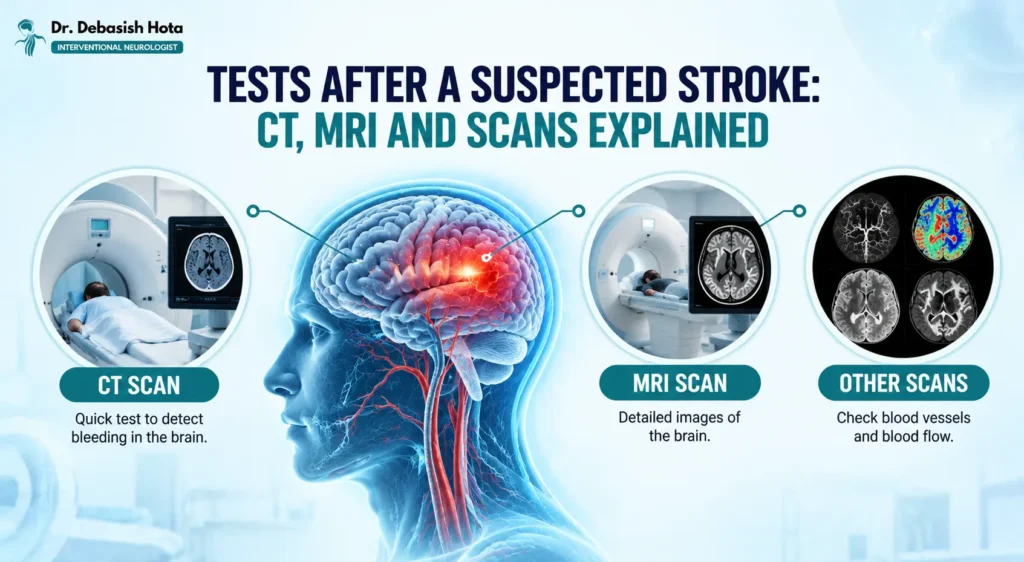
- Brain imaging when required
- Medication review
For individuals seeking neurological evaluation, epilepsy consultation and seizure management services are available in specialized neurology care settings in Bhubaneswar and Odisha.
Understanding That Triggers Are Individual
One of the most important things to remember is that seizure triggers are not the same for everyone.
A factor that triggers a seizure in one person may not affect another.
Common mistakes include:
- Avoiding unnecessary activities due to fear
- Stopping medicines without advice
- Assuming every seizure has the same cause
- Ignoring changes in seizure patterns
A personalized approach with proper medical guidance is usually more effective than following general restrictions.
Conclusion
Seizure triggers can vary significantly from person to person. While factors such as sleep deprivation, stress, missed medication, dehydration, illness, and alcohol use may increase seizure risk in some individuals, not everyone with epilepsy will have the same triggers.
Recognizing personal seizure patterns, maintaining healthy routines, taking prescribed medicines regularly, and following neurological care recommendations can help patients manage their condition more effectively.
Keeping a seizure diary and discussing possible triggers with a neurologist can provide valuable information for creating an individualized care plan. If seizures change in frequency, severity, or pattern, medical evaluation is important to understand the reason and adjust management when needed.
For patients seeking neurological evaluation, seizure management, or epilepsy consultation in Bhubaneswar, a specialist neurologist can provide appropriate assessment based on individual symptoms, medical history, and diagnostic findings.
Medical Disclaimer
This article is intended for general educational and awareness purposes only and should not be considered a substitute for professional medical advice, diagnosis, or treatment.
Seizure triggers, epilepsy symptoms, and treatment requirements can vary from person to person. Do not start, stop, or change antiseizure medications without consulting a qualified healthcare professional.
If someone experiences a first seizure, prolonged seizure activity, repeated seizures without recovery, injury during a seizure, breathing difficulties, or a significant change in seizure pattern, seek urgent medical attention.
Always consult a neurologist for personalized evaluation and guidance regarding seizures or epilepsy management.
FAQs
1. What are the most common triggers that can cause seizures?
Common seizure triggers may include lack of sleep, stress, missed antiseizure medication, illness, dehydration, alcohol use, and certain environmental factors. However, triggers differ from person to person, and some seizures may occur without an identifiable trigger.
2. Can stress trigger seizures?
Stress does not directly cause epilepsy, but it may trigger seizures in some people who already have a seizure disorder. Stress can affect sleep, routine, medication adherence, and overall health, which may contribute to seizure occurrence.
3. Can lack of sleep cause seizures?
Sleep deprivation is a commonly reported seizure trigger for many people with epilepsy. Maintaining a regular sleep schedule and avoiding prolonged sleep loss may help reduce seizure risk in some individuals.
4. Can missing epilepsy medication trigger seizures?
Yes. Missing doses, changing medication without medical advice, or stopping antiseizure medicines suddenly can increase the risk of breakthrough seizures.
Patients should always discuss medication changes with their neurologist.
5. Can dehydration trigger seizures?
Dehydration may contribute to seizure risk in some people, especially when combined with other factors such as fever, illness, exhaustion, or missed medication. Staying adequately hydrated supports overall health.
6. Are flashing lights a common seizure trigger?
Some people with photosensitive epilepsy may have seizures triggered by flashing lights or certain visual patterns. However, most people with epilepsy are not affected by everyday screens or lights.
7. Can certain foods trigger seizures?
There is no universal food that triggers seizures in everyone. Some individuals may notice patterns related to skipped meals, dehydration, or specific dietary habits. Any specialized diet for epilepsy should only be followed under medical supervision.
8. Does alcohol increase seizure risk?
Alcohol may increase seizure risk in some individuals, particularly with heavy consumption, withdrawal, poor sleep, or missed medication. People with epilepsy should discuss alcohol use with their healthcare provider.
9. How can I find my personal seizure triggers?
A seizure diary can help identify possible patterns. Record:
- Date and time of seizure
- Sleep quality
- Stress levels
- Medication timing
- Food and fluid intake
- Illness or fever
- Possible environmental triggers
This information can help a neurologist understand seizure patterns.
10. Can seizures happen without any warning trigger?
Yes. Some seizures occur without an obvious trigger. Even when patients carefully manage lifestyle factors, seizures may still occur because epilepsy involves abnormal electrical activity in the brain.
11. When should someone see a neurologist for seizures?
A neurological evaluation is recommended for:
- First-time seizures
- Repeated unexplained episodes
- Increasing seizure frequency
- Changes in seizure pattern
- Seizures despite treatment
- Questions about medication or diagnosis
12. What should families know about seizure triggers?
Families should understand that seizure triggers vary between individuals. Supporting regular medication use, healthy routines, sleep habits, and medical follow-up can help with long-term seizure management.