
Knowing seizure first aid can help protect someone during a frightening and unexpected medical event. A seizure may cause sudden changes in awareness, body movements, sensations, or behavior due to abnormal electrical activity in the brain.
Many people panic when they witness a seizure because they are unsure what actions are safe. However, the most important steps are usually simple: keep the person safe, prevent injuries, observe the seizure, and know when emergency medical help is required.
Seizures can happen in people with epilepsy, but not every seizure means a person has epilepsy. A seizure may also occur due to other medical conditions, infections, head injuries, metabolic problems, or other neurological causes.
This guide explains what to do during a seizure, what actions to avoid, when to seek emergency care, and how family members can respond confidently.
What Is a Seizure?
A seizure is a sudden episode caused by abnormal electrical activity in the brain. Depending on the area of the brain involved, seizures can affect movement, awareness, emotions, sensations, or behavior.
Seizures can look very different from one person to another.
Some people may experience:
- Full-body shaking
- Muscle stiffness
- Sudden loss of awareness
- Staring episodes
- Temporary confusion
- Repetitive movements
- Unusual sensations or emotions
- Difficulty responding
A seizure may last for a few seconds or several minutes. Most seizures stop on their own, but some situations require urgent medical attention.
Seizure vs Epilepsy: Understanding the Difference
Many people use the words seizure and epilepsy interchangeably, but they are different.
What Is a Seizure?
A seizure is a single event caused by abnormal brain activity.
A person may have a seizure because of:
- Fever
- Low blood sugar
- Head injury
- Brain infection
- Stroke
- Certain medications
- Alcohol withdrawal
- Electrolyte imbalance
Having one seizure does not automatically mean a person has epilepsy.
What Is Epilepsy?
Epilepsy is a neurological condition characterized by a tendency to have recurrent, unprovoked seizures.
A neurologist may diagnose epilepsy after evaluating:
- The patient’s medical history
- Seizure pattern
- Neurological examination
- EEG findings
- MRI brain results (when required)
Proper diagnosis helps determine the most suitable treatment and safety recommendations.
Why Knowing Seizure First Aid Matters
A seizure can be frightening to witness, but incorrect responses may unintentionally increase the risk of injury.
Knowing proper first aid helps you:
- Protect the person from nearby dangers
- Reduce the risk of injuries
- Avoid harmful myths and unsafe actions
- Recognize emergency warning signs
- Provide useful information to healthcare professionals
During a seizure, the person’s safety is the priority. The goal is not to stop the seizure forcefully but to create a safe environment until it ends.
Step-by-Step Seizure First Aid: What to Do
Step 1: Stay Calm and Observe
The first and most important action is to remain calm.
A calm response helps you think clearly and provide appropriate support.
Observe:
- When the seizure starts
- What movements occur
- Whether the person responds
- How long the seizure lasts
This information can be valuable for doctors during evaluation.
Step 2: Protect the Person From Injury
Move nearby objects that could cause harm, such as:
- Sharp objects
- Hard furniture
- Hot items
- Dangerous equipment
If possible:
- Place something soft under the person’s head.
- Remove glasses if they may break.
- Loosen tight clothing around the neck.
Do not move the person unless they are in immediate danger.
Step 3: Turn the Person Onto Their Side When Possible
After or during a seizure, placing the person on their side can help keep the airway clear, especially if they are unconscious or recovering.
The recovery position may help:
- Reduce the risk of choking on saliva or vomit
- Support easier breathing
- Improve safety during recovery
Do not force movements if the person’s body is stiff or actively jerking.
Step 4: Time the Seizure
Timing the seizure is one of the most helpful things a bystander can do.
Note:
- The exact start time
- How long the seizure lasts
- Whether another seizure follows
A seizure lasting longer than five minutes requires emergency medical attention.
Step 5: Stay With the Person Until Recovery
After a seizure ends, the person may feel confused, tired, or disoriented.
Stay with them until they become fully aware.
Helpful actions include:
- Speaking calmly
- Reassuring them
- Allowing them time to recover
- Checking for injuries
Do not rush them to stand or walk immediately after the seizure.
Step 6: Record Important Details
If possible, remember or note:
- Duration of the seizure
- Type of movements observed
- Loss of consciousness
- Breathing changes
- Injuries
- Recovery time afterward
A video recorded safely from a distance may sometimes help doctors understand the seizure pattern, but the person’s privacy and safety should always be respected.
Special Situations During Seizure First Aid
If Someone Has a Seizure in Water
Water-related seizures can be dangerous.
Actions include:
- Support the person’s head above water if possible.
- Remove them from water as soon as it is safe.
- Check breathing after removal.
- Seek emergency help if recovery is not normal.
If Someone Falls During a Seizure
Focus on preventing further injury.
Check for:
- Head injury
- Bleeding
- Breathing problems
- Persistent confusion
Medical evaluation may be needed depending on the severity of the injury.
Seizure First Aid Checklist
Remember:
- • Stay calm
- • Protect from injury
- • Remove nearby hazards
- • Place something soft under the head
- • Turn to the side when safe
- • Time the seizure
- • Stay until recovery
- • Seek emergency help when needed
What Not to Do During a Seizure
During a seizure, many people try to help but may unknowingly follow outdated myths or unsafe practices. Understanding what not to do during a seizure is just as important as knowing the correct first-aid steps.
Do Not Restrain the Person
Avoid holding down the person’s arms, legs, or body movements.
A person having a seizure cannot control their movements, and physical restraint may:
- Cause injuries
- Increase distress
- Lead to accidental harm
Instead, focus on protecting the person from nearby dangers.
Do Not Put Anything Inside the Person’s Mouth
One of the most common seizure myths is that a person can swallow their tongue during a seizure.
This is not true.
Do not place:
- Spoons
- Cloth
- Fingers
- Water
- Food
- Any objects
inside the person’s mouth.
Putting objects in the mouth can cause:
- Broken teeth
- Mouth injuries
- Choking hazards
- Injury to the person helping
Do Not Give Food, Water, or Medication Immediately
After a seizure, the person may be confused or not fully awake.
Giving anything by mouth too quickly may increase the risk of choking.
Wait until the person is completely alert before offering food, water, or any medication unless emergency instructions have been provided by a healthcare professional.
Do Not Panic or Crowd the Person
A calm environment is important.
Avoid:
- Shouting
- Excessive movement around the person
- Asking many questions immediately
- Creating unnecessary fear
A quiet and supportive approach helps the person recover more comfortably.
When Does a Seizure Become a Medical Emergency?
Most seizures stop naturally within a few minutes. However, some situations require urgent medical attention.
Call emergency medical services if:
- The seizure lasts longer than 5 minutes
- Another seizure starts before the person recovers
- It is the person’s first known seizure
- The person has difficulty breathing after the seizure
- The seizure occurs in water
- The person has a serious injury
- The person is pregnant
- The person does not regain awareness after the seizure
- The seizure occurs due to a possible head injury or serious illness
Emergency evaluation is especially important when the seizure pattern is new, prolonged, or different from previous episodes.
What to Do After a Seizure Ends
The period after a seizure is called the postictal phase. During this time, a person may feel confused, tired, emotional, or disoriented.
Recovery time varies depending on the seizure type and individual factors.
Help the Person Recover Safely
After the seizure:
- Keep the person in a safe position.
- Allow them time to rest.
- Speak calmly and reassure them.
- Check for injuries.
- Stay nearby until they are fully aware.
The person may not remember what happened, so gentle explanation can help reduce anxiety.
Common After-Seizure Symptoms
A person may experience:
- Confusion
- Sleepiness
- Headache
- Muscle soreness
- Temporary weakness
- Difficulty speaking
- Memory gaps
- Emotional changes
These symptoms often improve gradually.
Common Seizure Myths and Facts
Myth 1: A Person Can Swallow Their Tongue During a Seizure
Fact: A person cannot swallow their tongue. Putting objects in the mouth can cause injury and should be avoided.
Myth 2: You Should Hold Someone Down During a Seizure
Fact: Restraining movements may cause harm. The safest approach is protecting the person from injury.
Myth 3: Every Seizure Means Epilepsy
Fact: A seizure can occur for many reasons. Epilepsy is diagnosed when a person has a tendency to experience recurrent unprovoked seizures.
Myth 4: A Seizure Always Looks Like Violent Shaking
Fact: Some seizures are subtle and may appear as:
- Brief staring
- Temporary confusion
- Repetitive movements
- Loss of awareness
- Unusual sensations
Not all seizures involve full-body shaking.
Myth 5: Nothing Can Be Done During a Seizure
Fact: While you cannot stop most seizures immediately, proper first aid can help prevent injuries and ensure safety.
Seizure First Aid for Children and Adults
Seizure first aid principles are similar for children and adults, but children may require additional attention because they are more vulnerable to injuries.
Seizure First Aid for Children
If a child has a seizure:
- Keep them away from dangerous objects.
- Place them on a safe surface.
- Protect their head.
- Time the seizure.
- Stay calm and reassure caregivers.
- Seek medical advice, especially after a first seizure.
Parents should discuss seizure action plans with their child’s healthcare provider if seizures are diagnosed.
Seizure First Aid for Adults
For adults:
- Create a safe surrounding area.
- Check for injuries after the seizure.
- Note seizure details.
- Encourage neurological evaluation after unexplained seizures.
Adults with known epilepsy should follow their personalized seizure management plan.
Supporting Someone Living With Seizure Disorders
Living with epilepsy or recurrent seizures can affect daily activities, confidence, and emotional well-being. Support from family members and caregivers plays an important role.
Helpful ways to support someone include:
Learn Their Seizure Action Plan
Family members should know:
- What the person’s seizures look like
- Typical seizure duration
- When emergency help is needed
- Medication instructions provided by healthcare professionals
Encourage Treatment Adherence
People with epilepsy are often advised to take prescribed anti-seizure medications regularly.
Missing medication doses may increase seizure risk in some individuals.
Create a Safe Environment
Safety adjustments may include:
- Reducing fall hazards at home
- Using safety measures during bathing
- Following activity recommendations from healthcare providers
- Informing close contacts about seizure first aid
Provide Emotional Support
People with seizure disorders may experience anxiety, stress, or concerns about social situations.
Supportive communication can help them feel understood and confident.
When to Consult a Neurologist
A neurological evaluation is recommended if someone experiences:
- A first seizure
- Repeated unexplained episodes
- Sudden episodes of loss of awareness
- Recurrent staring spells
- Uncontrolled body movements
- Changes in seizure pattern
- Seizures despite treatment
- Medication side effects
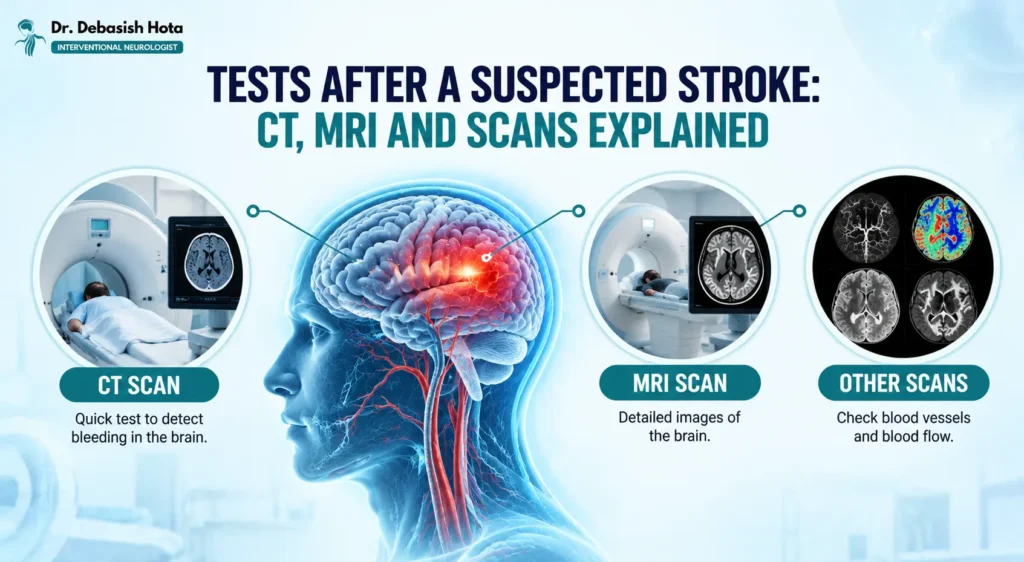
A neurologist may recommend evaluation with tests such as:
- EEG (Electroencephalogram)
- MRI Brain
- Blood tests
- Other specialized assessments when required
Risks and Limitations
Seizure first aid can help improve safety during an episode, but it does not replace medical diagnosis or treatment.
The cause, severity, and frequency of seizures vary between individuals. Some people may require long-term treatment, while others may have seizures caused by temporary medical conditions.
Medical advice should always be individualized based on the person’s health history, seizure type, and diagnostic findings.
Conclusion
Knowing proper seizure first aid helps family members, caregivers, and bystanders respond safely during a seizure. The most important actions are protecting the person from injury, avoiding harmful practices, observing the seizure duration, and recognizing when emergency medical help is needed.
If someone experiences a first seizure, repeated unexplained episodes, or changes in seizure pattern, neurological evaluation can help identify the cause and guide appropriate care.
Medical Disclaimer
This article is for educational purposes only and does not replace professional medical advice, diagnosis, or treatment. If someone experiences a first seizure, prolonged seizure activity, breathing difficulties, serious injury, or an emergency situation, seek immediate medical assistance.
Frequently Asked Questions
1. What should you do when someone has a seizure?
During a seizure, stay calm and focus on safety. Move dangerous objects away, place something soft under the person’s head if possible, loosen tight clothing, and stay with them until they recover. Do not restrain their movements or put anything inside their mouth.
2. How do you give first aid during a seizure?
Seizure first aid includes protecting the person from injury, keeping the area safe, timing the seizure, placing the person on their side when appropriate, and monitoring their recovery afterward.
3. Should you put something in a person’s mouth during a seizure?
No. You should never put fingers, spoons, cloth, food, water, or any object into a person’s mouth during a seizure. This can cause injuries and increase the risk of choking.
4. How long should a seizure last before calling emergency services?
Emergency medical help should be requested if a seizure lasts longer than five minutes, if repeated seizures occur without recovery, or if the person has difficulty breathing, serious injury, or does not regain awareness.
5. Can someone swallow their tongue during a seizure?
No. A person cannot swallow their tongue during a seizure. The safest approach is to protect the person from injury and avoid placing anything inside their mouth.
6. Should you hold someone down during a seizure?
No. Restraining someone during a seizure can cause injuries. Instead, remove nearby hazards and allow the seizure to pass while keeping the person safe.
7. What happens after a seizure ends?
After a seizure, a person may experience confusion, tiredness, headache, weakness, or difficulty speaking. This recovery period varies depending on the seizure type and individual factors.
8. Is every seizure an emergency?
No. Many seizures stop naturally within a few minutes. However, emergency care is needed for prolonged seizures, repeated seizures without recovery, first-time seizures, breathing difficulties, serious injuries, or unusual seizure patterns.
9. What should parents do if a child has a seizure?
Parents should stay calm, protect the child from injury, place them in a safe position, avoid putting anything in their mouth, record the seizure duration, and seek medical evaluation, especially after a first seizure.
10. What information should you remember after witnessing a seizure?
Useful details include:
- Time the seizure started
- How long it lasted
- Body movements observed
- Whether the person lost awareness
- Any injuries
- Recovery time afterward
This information can help healthcare professionals during evaluation.
11. Can seizures happen without epilepsy?
Yes. A seizure can occur due to various medical conditions, including fever, low blood sugar, infections, head injury, stroke, or other temporary problems. Epilepsy refers to a tendency to have recurrent unprovoked seizures.
12. When should someone see a neurologist after a seizure?
A neurologist evaluation is recommended after a first seizure, repeated unexplained episodes, changes in seizure patterns, or concerns about seizure control or medication effects.
13. Can stress trigger seizures?
Stress may act as a trigger for some people with epilepsy. Other triggers may include sleep deprivation, missed medication doses, illness, fever, alcohol use, or flashing lights in certain individuals.
14. What tests are used to diagnose seizure disorders?
A neurologist may recommend tests such as:
- EEG (Electroencephalogram)
- MRI Brain
- Blood tests
- Video EEG monitoring
- Other specialized investigations when needed
The choice of tests depends on the individual’s symptoms and medical history.
15. Can people with epilepsy live normal lives?
Many people with epilepsy can lead active and fulfilling lives with appropriate treatment, seizure management, lifestyle adjustments, and regular medical follow-up.