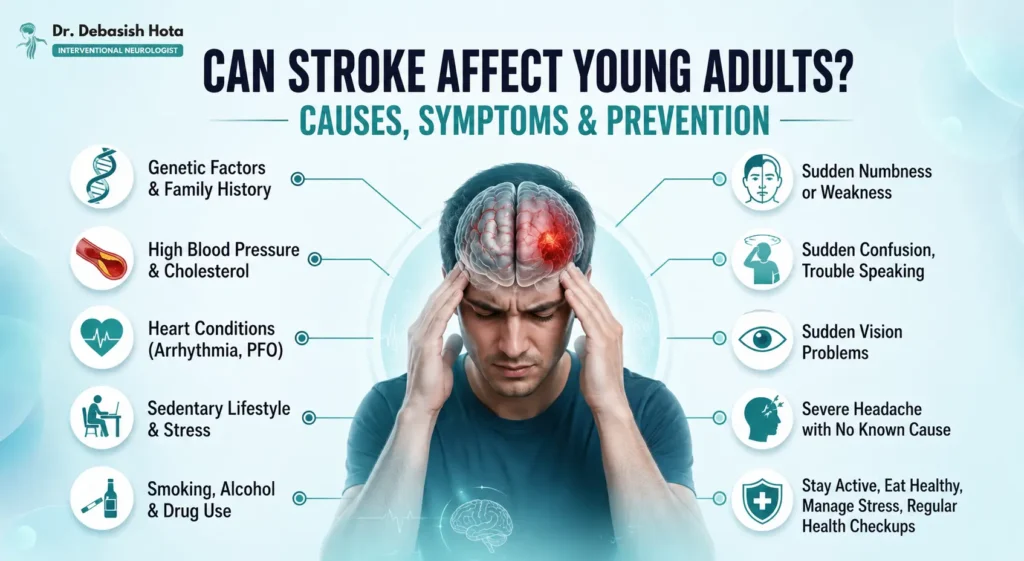
Many people believe stroke only affects older adults, but stroke in young adults is becoming increasingly recognized worldwide. Although the overall risk remains lower than in older populations, individuals in their twenties, thirties, and forties can also experience a stroke.
Growing rates of hypertension, diabetes, obesity, smoking, prolonged stress, sedentary lifestyles, and certain medical conditions have contributed to increasing awareness about stroke in younger populations. Understanding the causes, symptoms, and prevention strategies can help individuals make informed decisions about their health.
Can Young Adults Experience Stroke?
Yes, young adults can have a stroke.
Stroke can occur at almost any age, including adolescence and early adulthood. Medical studies indicate that stroke among younger individuals is an important public health concern because it can affect education, careers, family life, and long-term quality of life.
Stroke occurring before the age of 45 is often categorized as stroke in young adults.
Although less common than stroke in older individuals, prompt recognition remains essential because delayed diagnosis may increase complications.
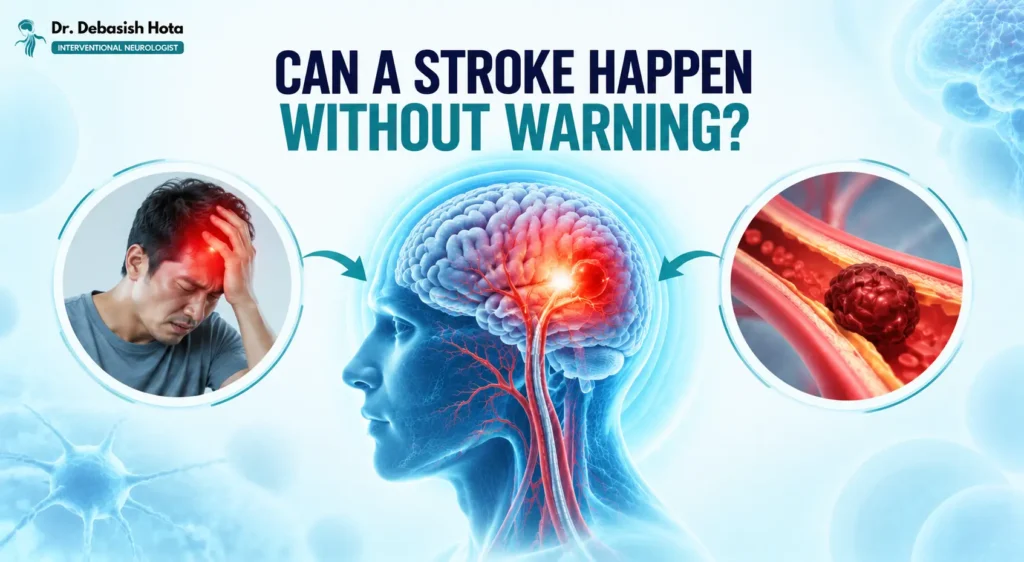
Stroke may occur suddenly, even in individuals who appear otherwise healthy.
Why Stroke Is Increasing Among Younger Adults
Several factors may contribute to the increasing number of strokes among younger populations.
These include:
- Sedentary lifestyles
- Long working hours
- Reduced physical activity
- Smoking and tobacco exposure
- Excessive alcohol intake
- Obesity
- Poor dietary habits
- Increased prevalence of hypertension
- Type 2 diabetes at younger ages
- Chronic stress
- Sleep deprivation
Improved awareness and better diagnostic technologies have also increased recognition of stroke in younger individuals.
Common Causes of Stroke in Young Adults
The causes of stroke in younger adults can differ from those seen in older populations.
Ischemic Stroke
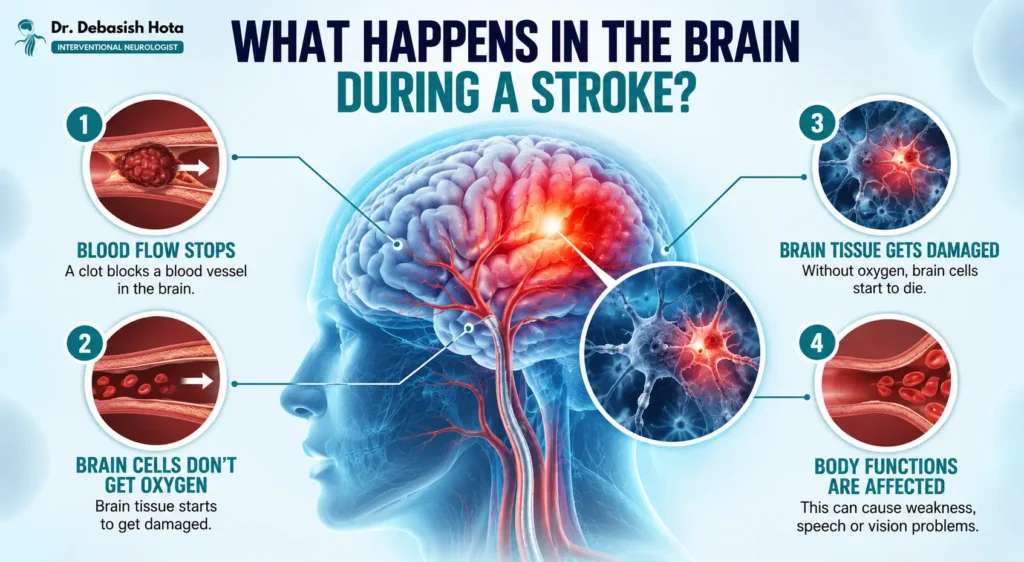
This occurs when a blood clot blocks blood flow to part of the brain.
Possible causes include:
- Blood clotting disorders
- Heart rhythm abnormalities
- Congenital heart defects
- Patent foramen ovale (PFO)
- Carotid artery dissection
- Certain autoimmune conditions
Hemorrhagic Stroke
This type occurs due to bleeding within the brain.
Potential causes include:
- Uncontrolled hypertension
- Brain aneurysms
- Arteriovenous malformations
- Head injuries
- Certain inherited disorders
Transient Ischemic Attack (TIA)
A TIA produces temporary stroke-like symptoms.
Although symptoms may disappear quickly, medical evaluation is necessary because a TIA may indicate increased future stroke risk.
Lifestyle Factors That Increase Stroke Risk
Certain lifestyle habits can significantly increase stroke risk, even in younger adults.
Smoking
Smoking damages blood vessels and promotes clot formation.
Smoking combined with hypertension or hormonal contraceptive use may further increase stroke risk.
Physical Inactivity
Limited exercise contributes to:
- Obesity
- Elevated blood pressure
- Insulin resistance
- Poor cardiovascular health
Excessive Alcohol Consumption
Heavy alcohol intake may contribute to:
- High blood pressure
- Irregular heart rhythms
- Increased stroke risk
Unhealthy Diet
A diet high in:
- Processed foods
- Salt
- Saturated fats
- Sugary beverages
may contribute to vascular disease over time.
Chronic Stress
Persistent stress may indirectly affect stroke risk through:
- Elevated blood pressure
- Poor sleep quality
- Unhealthy coping behaviors
- Reduced physical activity
Medical Conditions Linked to Stroke in Younger People
Several medical conditions can increase stroke risk in younger adults.
High Blood Pressure
Hypertension remains one of the strongest risk factors for stroke at any age.
Because high blood pressure often causes no symptoms, regular monitoring is important.
Diabetes
Diabetes can damage blood vessels and increase the likelihood of clot formation.
High Cholesterol
Elevated cholesterol levels may lead to narrowing of blood vessels supplying the brain.
Migraine With Aura
Some studies suggest a relationship between migraine with aura and stroke risk, particularly among smokers and individuals using certain hormonal medications.
Autoimmune Disorders
Conditions such as lupus may increase blood clotting tendencies.
Heart Conditions
Examples include:
- Atrial fibrillation
- Congenital heart disease
- Structural heart abnormalities
Genetic Factors
A family history of stroke or inherited clotting disorders may influence risk.
Can Healthy Young Adults Get a Stroke?
Yes.
Some younger individuals experience stroke despite maintaining an active lifestyle.
Possible explanations include:
- Undiagnosed heart disorders
- Genetic conditions
- Blood vessel abnormalities
- Blood clotting disorders
- Rare inflammatory diseases
Having a healthy lifestyle reduces risk but cannot completely eliminate it.
Regular health checkups remain valuable, especially for those with a family history of stroke.
Warning Signs and Symptoms of Stroke
Stroke symptoms in younger adults are generally similar to those seen in older individuals.
Common symptoms include:
- Sudden facial drooping
- Weakness on one side of the body
- Sudden numbness
- Slurred speech
- Difficulty understanding language
- Severe headache
- Vision disturbances
- Dizziness
- Balance problems
- Confusion
- Difficulty walking
Symptoms often develop suddenly.
Remember FAST
F – Face drooping
Ask the person to smile.
A – Arm weakness
Check whether one arm drifts downward.
S – Speech difficulty
Notice slurred or abnormal speech.
T – Time to seek emergency medical attention
Immediate evaluation is essential.
Stroke Symptoms Versus Anxiety Symptoms
Certain stroke symptoms can resemble anxiety or panic attacks.
However, stroke symptoms are more likely to involve:
- One-sided weakness
- Facial asymmetry
- Speech changes
- Vision loss
- Loss of coordination
Any sudden neurological symptom warrants prompt medical assessment.
When Should a Young Adult Seek Emergency Medical Attention?
Seek emergency care immediately if symptoms appear suddenly, including:
- Facial drooping
- Arm weakness
- Difficulty speaking
- Sudden confusion
- Severe headache
- Loss of vision
- Sudden dizziness
Do not ignore symptoms because of age.
Being young does not rule out stroke.
How Stroke Is Diagnosed in Young Adults
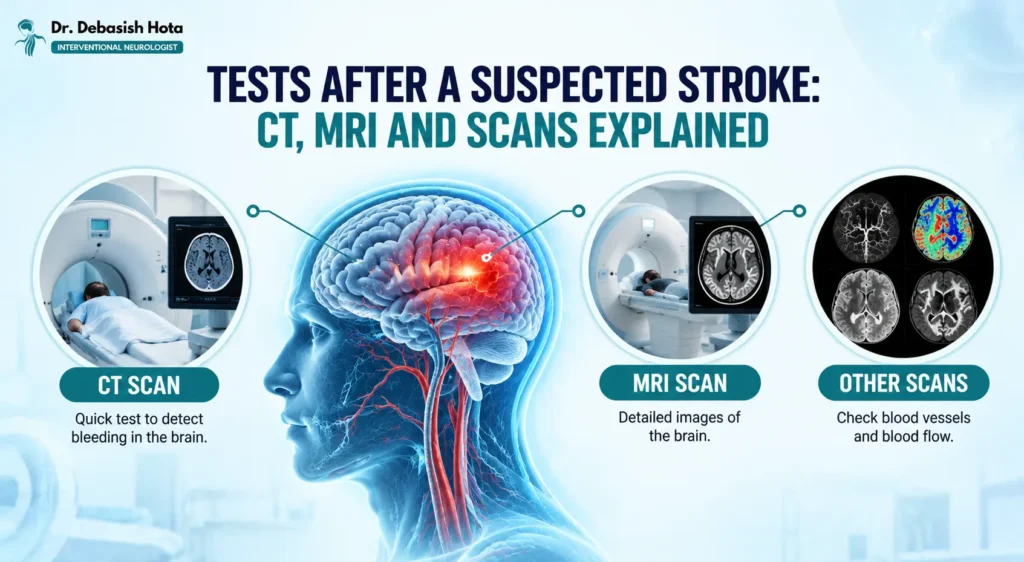
Diagnosis typically involves a combination of clinical evaluation and imaging studies.
Doctors may recommend:
Brain Imaging
- CT scan
- MRI scan
Blood Tests
These may assess:
- Blood sugar levels
- Cholesterol
- Clotting abnormalities
- Inflammatory markers
Heart Evaluation
Additional investigations may include:
- Electrocardiogram (ECG)
- Echocardiography
- Heart rhythm monitoring
Vascular Imaging
Doctors may examine blood vessels using:
- CT angiography
- MR angiography
- Doppler ultrasound
Identifying the underlying cause helps guide long-term prevention strategies.
Prevention Strategies for Young Adults
Many stroke risk factors are modifiable.
Maintain Healthy Blood Pressure
Routine blood pressure monitoring is important.
Exercise Regularly
Aim for at least 150 minutes of moderate physical activity per week.
Follow a Balanced Diet
Include:
- Fruits
- Vegetables
- Whole grains
- Lean proteins
- Healthy fats
Avoid Tobacco Use
Quitting smoking may significantly reduce stroke risk.
Limit Alcohol Intake
Moderation is recommended.
Prioritize Sleep
Adults should aim for adequate and consistent sleep patterns.
Manage Stress
Helpful approaches include:
- Meditation
- Yoga
- Mindfulness techniques
- Regular exercise
- Counseling support when appropriate
Attend Preventive Health Checkups
Regular screening may help identify:
- Hypertension
- Diabetes
- Elevated cholesterol
- Cardiovascular conditions
Long-Term Health Habits That Support Brain Health
Brain health depends on consistent lifestyle choices.
Consider:
- Maintaining a healthy body weight
- Staying physically active
- Monitoring blood pressure
- Keeping diabetes under control
- Following prescribed medications
- Eating a nutrient-rich diet
- Avoiding tobacco products
- Seeking medical advice for persistent neurological symptoms
Conclusion
Stroke can affect younger adults, including individuals in their twenties, thirties, and forties. While age remains an important risk factor, modern lifestyle patterns, underlying medical conditions, and inherited factors can contribute to stroke risk at a younger age.
Understanding warning signs, adopting healthier habits, and seeking medical advice for concerning symptoms may help individuals make informed decisions regarding their neurological health.
Medical Disclaimer
This information is provided for educational purposes only and should not replace professional medical advice, diagnosis, or treatment. Anyone experiencing sudden neurological symptoms should seek emergency medical care immediately.
FAQs
Can young adults have a stroke?
Yes. Stroke can occur in people under 45 years of age, although it is less common than in older adults.
What causes stroke in younger adults?
Potential causes include hypertension, diabetes, smoking, blood clotting disorders, congenital heart conditions, autoimmune diseases, and unhealthy lifestyle habits.
Is stroke becoming more common in young people?
Several studies suggest increasing recognition of stroke among younger populations due to changing lifestyle patterns and improved awareness.
Can healthy people in their twenties have a stroke?
Yes. Some younger individuals may have underlying conditions that increase stroke risk despite maintaining healthy habits.
Can stress increase stroke risk in young adults?
Persistent stress may contribute indirectly by increasing blood pressure, affecting sleep quality, and promoting unhealthy behaviors.
When should a young adult see a neurologist?
A neurological evaluation is advisable for sudden weakness, speech difficulty, facial drooping, unexplained dizziness, recurrent transient symptoms, or a history of stroke risk factors.