Understanding the connection between high blood pressure and stroke risk is important because hypertension remains one of the most significant risk factors for stroke worldwide. High blood pressure often develops gradually and may not cause noticeable symptoms, which is why it is frequently called a silent condition.
Over time, uncontrolled hypertension can damage blood vessels, affect blood circulation to the brain, and increase the likelihood of both ischemic and hemorrhagic stroke. Learning how blood pressure influences brain health may help individuals make informed decisions about prevention and long-term care.
Understanding High Blood Pressure
Blood pressure measures the force exerted by blood against artery walls.
Blood pressure readings are recorded using two numbers:
- Systolic pressure – pressure when the heart contracts
- Diastolic pressure – pressure when the heart relaxes
Blood pressure categories generally include:
| Category | Blood Pressure |
|---|---|
| Normal | Below 120/80 mmHg |
| Elevated | 120–129 / below 80 mmHg |
| Hypertension Stage 1 | 130–139 / 80–89 mmHg |
| Hypertension Stage 2 | 140/90 mmHg or higher |
Blood pressure targets may vary depending on age, medical conditions, and individual cardiovascular risk.
How Hypertension Affects Blood Vessels
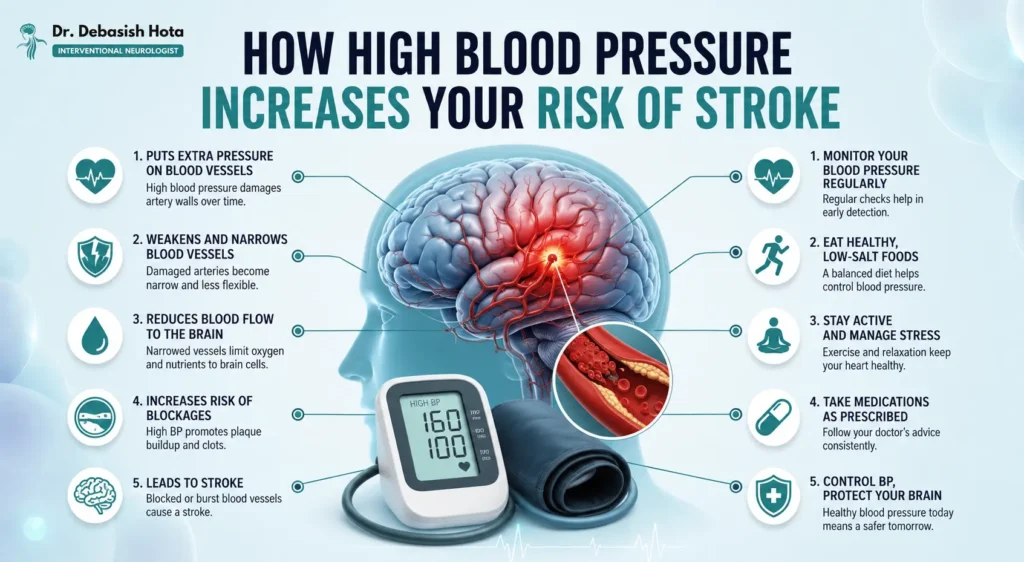
Persistent hypertension places continuous stress on blood vessels.
Over time, this may lead to:
- Thickening of artery walls
- Reduced elasticity
- Narrowing of blood vessels
- Damage to the inner vessel lining
- Increased plaque formation
- Reduced blood supply to organs
The brain depends on a healthy blood supply to function properly. Changes within blood vessels can interfere with normal circulation and increase stroke susceptibility.
Why Is Hypertension Called a Silent Condition?
Many individuals with hypertension experience no symptoms.
Some people may occasionally notice:
- Headaches
- Dizziness
- Fatigue
- Blurred vision
However, hypertension often remains undetected until complications develop.
Routine monitoring plays an important role in identifying elevated blood pressure levels early.
Why High Blood Pressure Increases Stroke Risk
High blood pressure and stroke risk are closely connected.
Uncontrolled hypertension may contribute to stroke through several mechanisms.
Damage to Arteries
High pressure weakens blood vessel walls over many years.
Damaged arteries become more vulnerable to:
- Blockage
- Narrowing
- Rupture
These changes increase the likelihood of impaired blood flow to the brain.
Increased Clot Formation
Damage to blood vessel lining can encourage clot formation.
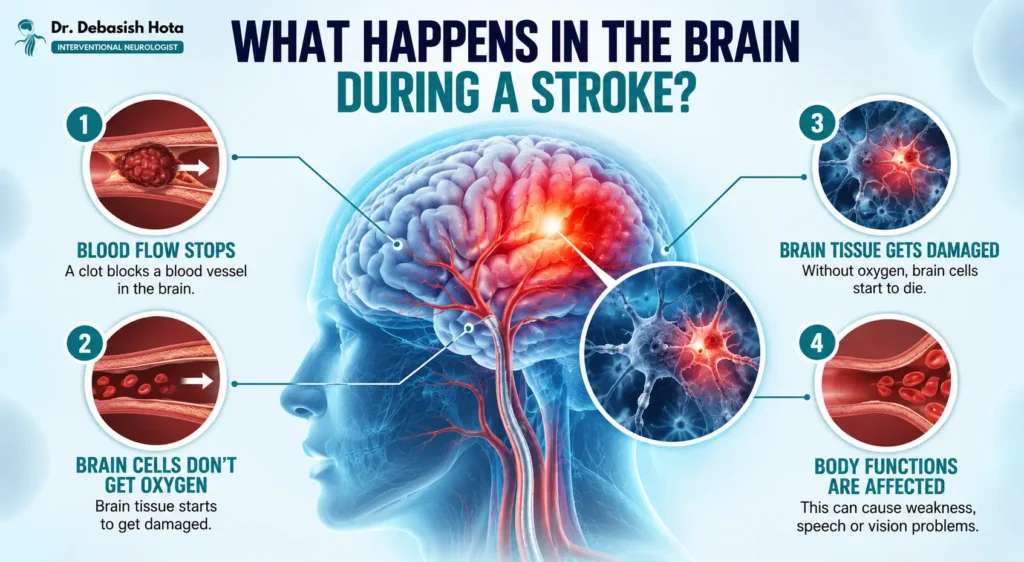
A clot can obstruct blood supply to brain tissue and trigger an ischemic stroke.
Blood Vessel Rupture
Persistently elevated pressure may weaken vessel walls.
Fragile blood vessels have a greater chance of rupturing, causing bleeding inside the brain.
Reduced Brain Circulation
Chronic hypertension may alter blood flow patterns.
Reduced circulation can affect brain health and increase neurological complications over time.
Types of Stroke Associated With Hypertension
Hypertension is associated with both major types of stroke.
Ischemic Stroke
This is the most common type.
It occurs when a blood vessel supplying the brain becomes blocked.
Hypertension contributes by:
- Promoting plaque buildup
- Accelerating atherosclerosis
- Increasing clot formation
- Damaging arterial walls
Hemorrhagic Stroke
Hemorrhagic stroke occurs when a blood vessel bursts.
Long-standing hypertension is considered one of the most important contributors to this type of stroke.
Bleeding inside the brain may cause:
- Severe headache
- Sudden weakness
- Loss of consciousness
- Speech difficulty
- Vision changes
Does Mild Hypertension Increase Stroke Risk?
Even mildly elevated blood pressure can affect vascular health.
Risk may gradually increase when blood pressure remains above recommended levels for prolonged periods.
Many individuals assume hypertension is only dangerous at very high levels.
However, long-term exposure to elevated pressure may slowly damage blood vessels without causing symptoms.
This is why regular monitoring remains important, even for individuals who feel well.
Risk Factors That Can Worsen Stroke Risk
Certain conditions may further increase stroke risk among people with hypertension.
These include:
Diabetes
High blood sugar levels can damage blood vessels and accelerate vascular disease.
Smoking
Smoking increases inflammation and promotes arterial damage.
High Cholesterol
Cholesterol deposits may narrow arteries and impair circulation.
Obesity
Excess body weight contributes to:
- Increased blood pressure
- Insulin resistance
- Cardiovascular strain
Sedentary Lifestyle
Physical inactivity is associated with poorer blood pressure control.
Family History
Genetic factors may influence susceptibility to hypertension and stroke.
Stress
Persistent stress may contribute to unhealthy lifestyle behaviors and blood pressure fluctuations.
Warning Signs Patients Should Not Ignore
Hypertension itself may not produce symptoms.
However, signs suggestive of stroke require immediate medical attention.
These include:
- Sudden facial drooping
- Weakness on one side of the body
- Slurred speech
- Difficulty understanding speech
- Sudden numbness
- Loss of coordination
- Sudden dizziness
- Severe headache
- Vision changes
- Confusion
Remember the FAST Method
F – Face Drooping
Ask the person to smile.
A – Arm Weakness
Check whether one arm drifts downward.
S – Speech Difficulty
Notice slurred or unusual speech.
T – Time to Seek Emergency Care
Emergency medical evaluation should not be delayed.
How Blood Pressure Is Measured and Monitored
Regular monitoring helps identify hypertension and assess treatment effectiveness.
Monitoring methods include:
Clinic-Based Measurements
Blood pressure readings taken during medical appointments.
Home Monitoring
Home blood pressure devices can support ongoing assessment.
Measurements should be taken:
- At similar times each day
- After resting for several minutes
- Using appropriately sized cuffs
Ambulatory Monitoring
Some patients may undergo 24-hour blood pressure monitoring.
This provides additional information about blood pressure patterns throughout the day and night.
Lifestyle Changes to Reduce Stroke Risk
Lifestyle modification remains an important component of stroke prevention.
Maintain a Healthy Diet
Consider:
- Fruits
- Vegetables
- Whole grains
- Lean protein sources
- Reduced processed food intake
Limit Sodium Intake
Excess sodium consumption may contribute to elevated blood pressure.
Exercise Regularly
Adults should aim for at least 150 minutes of moderate physical activity weekly.
Examples include:
- Walking
- Cycling
- Swimming
- Yoga
Achieve a Healthy Weight
Weight reduction may help improve blood pressure control.
Stop Smoking
Smoking cessation supports vascular health.
Moderate Alcohol Intake
Limiting alcohol may contribute to healthier blood pressure levels.
Prioritize Sleep
Consistent sleep habits may support cardiovascular wellness.
Stress Management
Helpful approaches include:
- Mindfulness practices
- Relaxation techniques
- Physical activity
- Counseling when appropriate
Medical Treatment for Hypertension
Lifestyle modifications alone may not be sufficient for everyone.
Doctors may recommend medications depending on:
- Blood pressure readings
- Existing medical conditions
- Cardiovascular risk profile
- Previous stroke history
Medication adherence is an important aspect of long-term blood pressure management.
Treatment plans should always be individualized.
Importance of Regular Health Checkups
Routine evaluations may help identify hypertension before complications develop.
Healthcare professionals may assess:
- Blood pressure
- Cholesterol levels
- Blood sugar levels
- Kidney function
- Cardiovascular risk factors
Preventive care can support long-term vascular and neurological health.
Conclusion
High blood pressure remains one of the most important modifiable risk factors for stroke. Although hypertension may not cause symptoms initially, persistent elevation in blood pressure can gradually damage blood vessels and increase the likelihood of both ischemic and hemorrhagic stroke.
Individuals living with hypertension should discuss blood pressure goals, monitoring strategies, and preventive measures with a qualified healthcare professional to better understand their personal risk profile.
Medical Disclaimer
This article is intended for educational purposes only and should not replace professional medical advice, diagnosis, or treatment. Individuals experiencing symptoms suggestive of stroke should seek emergency medical care immediately.
FAQs
Can high blood pressure cause a stroke?
Yes. Uncontrolled hypertension can damage blood vessels, promote clot formation, and increase the risk of both ischemic and hemorrhagic stroke.
Why does hypertension increase stroke risk?
High blood pressure weakens artery walls, reduces vessel elasticity, and affects blood circulation to the brain, increasing stroke susceptibility.
What blood pressure reading is considered dangerous?
Blood pressure readings above 140/90 mmHg generally require medical evaluation, although individual targets may differ based on overall health.
Can controlling blood pressure reduce stroke risk?
Maintaining blood pressure within recommended ranges may help lower the likelihood of stroke and other cardiovascular complications.
Is hypertension-related stroke preventable?
Many cases can be influenced by lifestyle modifications, regular monitoring, and appropriate medical management.
How often should blood pressure be checked?
The frequency depends on individual health status, age, existing conditions, and healthcare provider recommendations.