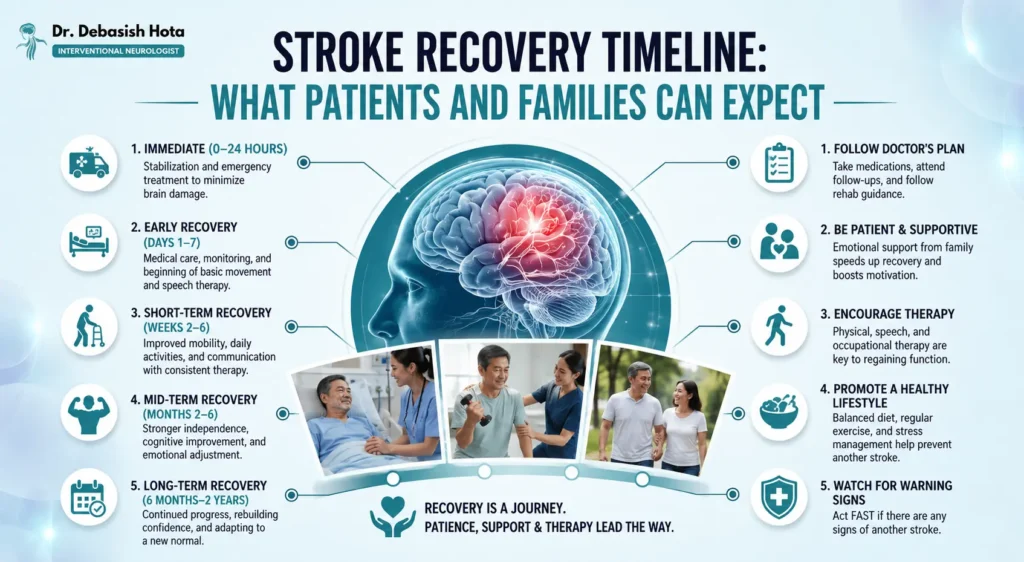
Understanding the stroke recovery timeline can help patients and their families prepare for the weeks and months following a stroke. Recovery is often gradual and varies from person to person. Some individuals regain independence relatively quickly, while others may require ongoing rehabilitation and long-term support.
Several factors influence recovery, including the type of stroke, the area of the brain affected, the severity of brain injury, overall health, age, and how soon treatment and rehabilitation begin.
Although every recovery journey is unique, understanding what commonly happens during each stage can help patients set realistic expectations and actively participate in rehabilitation.
Understanding Stroke Recovery
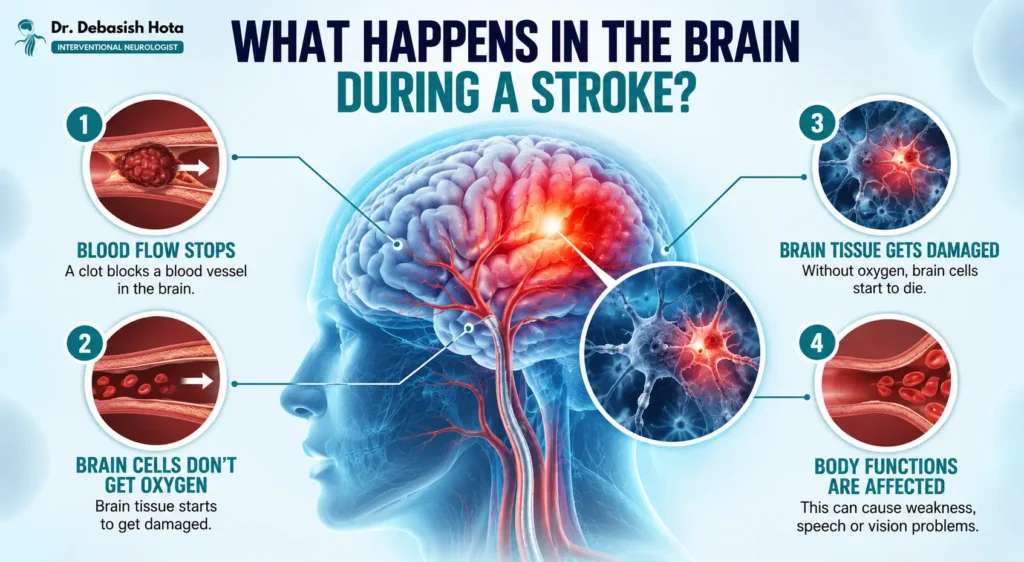
A stroke occurs when blood flow to part of the brain is interrupted or when a blood vessel in the brain ruptures. Because different areas of the brain control different functions, recovery depends on which part of the brain was affected.
Recovery is not simply about healing damaged brain tissue. The brain also has an ability called neuroplasticity, which allows healthy areas of the brain to adapt and take over some lost functions through repeated rehabilitation and practice.
This is why rehabilitation remains an important part of stroke care.
Recovery may involve improvements in:
- Walking and balance
- Arm and hand movement
- Speech and language
- Memory and concentration
- Swallowing
- Vision
- Emotional well-being
- Daily living activities
Not every patient experiences the same challenges, and recovery speed can differ significantly.
Phases of Stroke Recovery
Stroke recovery is generally divided into three phases.
Acute Phase
Duration: First few days after stroke
This phase focuses on:
- Stabilizing the patient’s condition
- Identifying the type of stroke
- Preventing complications
- Beginning early rehabilitation when appropriate
Medical care during this stage often includes neurological monitoring, imaging studies, medications, and supportive care.
Subacute Phase
Duration: Approximately the first three to six months
This period often involves the greatest amount of recovery because the brain responds actively to rehabilitation.
Patients commonly participate in:
- Physiotherapy
- Occupational therapy
- Speech and language therapy
- Swallowing rehabilitation
- Cognitive rehabilitation
Consistent participation in therapy can help improve functional abilities over time.
Long-Term Recovery Phase
Duration: Six months and beyond
Although recovery may slow, improvements can continue for months or even years.
Long-term care often focuses on:
- Maintaining mobility
- Improving independence
- Preventing complications
- Supporting emotional health
- Reducing the risk of another stroke
What Happens During the First 24 to 72 Hours After a Stroke?
The first few days after a stroke are primarily focused on emergency treatment and stabilization.
Healthcare professionals may:
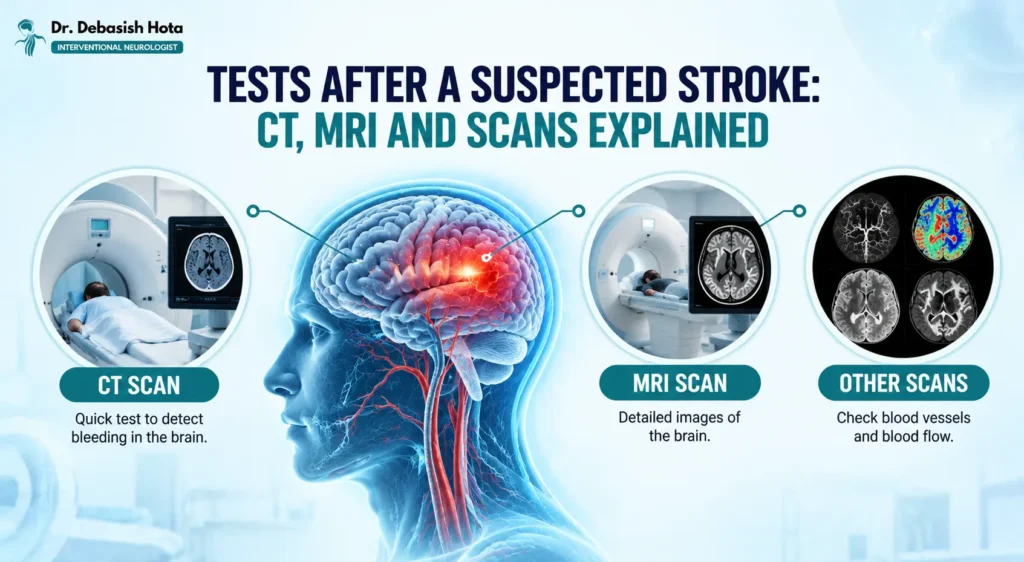
- Confirm the type of stroke using CT or MRI scans
- Monitor neurological function
- Control blood pressure and blood sugar
- Prevent complications such as infections or blood clots
- Begin safe movement as early as appropriate
- Evaluate swallowing ability before oral feeding
During this period, rehabilitation specialists may also perform initial assessments to identify physical, speech, or cognitive impairments.
Stroke Recovery Timeline
Although every patient’s recovery differs, the following timeline provides a general overview.
First Week After Stroke
The first week is usually spent in the hospital.
During this time, healthcare providers evaluate:
- Muscle strength
- Balance
- Walking ability
- Speech
- Swallowing
- Memory
- Daily functioning
Rehabilitation may begin while the patient is still hospitalized.
Early activities may include:
- Sitting upright
- Standing with assistance
- Gentle exercises
- Bed mobility training
- Safe transfers
- Basic speech exercises
Family members are often introduced to the rehabilitation process and discharge planning.
Weeks Two to Four
After hospital discharge, rehabilitation usually becomes more structured.
Depending on the individual’s needs, therapy may continue:
- At an inpatient rehabilitation facility
- At an outpatient rehabilitation center
- At home through supervised rehabilitation
Therapy commonly focuses on improving:
- Walking
- Arm movement
- Balance
- Speech
- Swallowing
- Daily self-care activities
Many patients begin noticing gradual improvements during this period, although progress varies.
One Month After Stroke
Around the first month, rehabilitation goals often become more individualized.
Healthcare professionals reassess:
- Physical recovery
- Communication abilities
- Cognitive function
- Emotional health
- Functional independence
Some individuals may begin performing more daily activities independently, while others continue to require assistance.
Common ongoing challenges include:
- Fatigue
- Muscle weakness
- Difficulty using one arm
- Balance problems
- Speech difficulties
- Memory issues
These symptoms may continue improving with rehabilitation.
Three Months After Stroke
The first three months are considered one of the most active periods for neurological recovery.
Many patients experience improvements in:
- Walking speed
- Hand function
- Speech clarity
- Balance
- Coordination
- Daily activities
Rehabilitation programs may become more advanced by introducing:
- Strength training
- Balance exercises
- Functional task practice
- Community mobility training
- Cognitive rehabilitation
Recovery continues at different rates depending on stroke severity.
Six Months After Stroke
By six months, many patients have achieved meaningful recovery, although some impairments may remain.
Possible improvements include:
- Greater independence
- Improved walking ability
- Better speech
- Increased endurance
- Improved hand coordination
- Enhanced confidence
Some individuals continue outpatient rehabilitation if additional progress is expected.
Others transition to long-term home exercise programs.
One Year and Beyond
Recovery does not necessarily stop after one year.
Many stroke survivors continue experiencing gradual improvements through:
- Regular exercise
- Continued physiotherapy
- Speech therapy
- Occupational therapy
- Cognitive training
- Healthy lifestyle habits
Long-term follow-up appointments also help monitor neurological recovery and identify strategies to reduce the risk of another stroke.
Patients recovering from severe strokes may require ongoing rehabilitation beyond one year.
Recovery should be viewed as an ongoing process rather than a fixed timeline.
Mild Stroke Recovery vs Severe Stroke Recovery
Recovery depends on the extent of brain injury.
Mild Stroke
Patients with mild strokes may:
- Recover more quickly
- Return to work sooner
- Experience fewer physical limitations
- Require shorter rehabilitation
However, fatigue, memory changes, or emotional symptoms may still persist.
Severe Stroke
Recovery after a severe stroke may require:
- Longer hospitalization
- Intensive rehabilitation
- Assistance with daily activities
- Ongoing caregiver support
Some patients continue making meaningful improvements months or years after the initial stroke.
Every recovery journey is different, and progress should be assessed individually rather than compared with others.
Factors That Affect Stroke Recovery
Several factors influence the speed and extent of recovery.
These include:
Stroke Type
Recovery differs between:
- Ischemic stroke
- Hemorrhagic stroke
Stroke Severity
Larger strokes generally require longer rehabilitation.
Treatment Timing
Prompt medical treatment may reduce brain injury and influence rehabilitation needs.
Age
Recovery is possible at any age, although individual health status often plays a larger role than age alone.
Overall Health
Conditions such as:
- High blood pressure
- Diabetes
- Heart disease
- Kidney disease
may affect rehabilitation planning.
Participation in Rehabilitation
Regular attendance and active participation in therapy sessions contribute to functional recovery.
Emotional Well-being
Depression, anxiety, and reduced motivation may affect rehabilitation progress and should be addressed as part of comprehensive stroke care.
Common Physical, Speech, Cognitive, and Emotional Changes After Stroke
Every stroke survivor experiences recovery differently. The symptoms and challenges depend on the area of the brain affected, the severity of the stroke, and individual health factors.
Some improvements may occur within weeks, while others continue gradually over months or years.
Physical Changes After Stroke
Physical recovery is often one of the primary goals of rehabilitation.
Common physical challenges include:
- Weakness on one side of the body (hemiparesis)
- Paralysis affecting the face, arm, or leg
- Muscle stiffness or spasticity
- Difficulty walking
- Poor balance and coordination
- Reduced hand function
- Difficulty performing fine motor tasks
- Fatigue during daily activities
Many patients regain strength through structured rehabilitation, although recovery varies from person to person.
Speech and Language Changes
If the stroke affects language centers in the brain, communication may become difficult.
Possible problems include:
Aphasia
A person may have difficulty:
- Speaking
- Understanding conversations
- Reading
- Writing
Dysarthria
Speech may become:
- Slurred
- Slow
- Difficult to understand
Speech and language therapy can help many patients improve communication skills over time.
Swallowing Difficulties
Some stroke survivors develop swallowing problems (dysphagia).
Symptoms may include:
- Coughing while eating
- Difficulty swallowing liquids
- Choking episodes
- Food remaining in the mouth after swallowing
Healthcare professionals may recommend swallowing assessments and individualized dietary modifications to reduce the risk of aspiration.
Cognitive Changes
Stroke may affect thinking and memory.
Some patients experience:
- Difficulty concentrating
- Reduced attention span
- Memory problems
- Slower thinking
- Difficulty planning tasks
- Reduced problem-solving ability
Cognitive rehabilitation and structured mental exercises may support improvement.
Vision Problems
Vision changes depend on the affected brain region.
Possible symptoms include:
- Double vision
- Blurred vision
- Loss of part of the visual field
- Difficulty judging distance
- Reduced eye movement coordination
Eye specialists and rehabilitation teams may recommend exercises or adaptive strategies.
Emotional and Psychological Changes
Recovery involves emotional healing as well as physical rehabilitation.
Some individuals experience:
- Depression
- Anxiety
- Mood swings
- Irritability
- Emotional outbursts
- Reduced confidence
- Fear of another stroke
These reactions are common after stroke and should be discussed with healthcare professionals if they interfere with daily life or rehabilitation.
Rehabilitation Therapies and Their Role in Recovery
Stroke rehabilitation usually involves a multidisciplinary team working together to improve independence and quality of life.
Physiotherapy
Physiotherapy focuses on improving movement and mobility.
Treatment may include:
- Walking training
- Balance exercises
- Strengthening exercises
- Stretching programs
- Gait training
- Stair-climbing practice
- Endurance training
The goal is to improve mobility while reducing the risk of falls.
Occupational Therapy
Occupational therapists help patients regain independence in daily activities.
Therapy may focus on:
- Dressing
- Bathing
- Eating
- Cooking
- Writing
- Household activities
- Returning to work when appropriate
Adaptive equipment may also be recommended to make everyday tasks safer and easier.
Speech and Language Therapy
Speech-language pathologists assist patients experiencing:
- Speech difficulties
- Language impairment
- Swallowing problems
- Communication challenges
Treatment is individualized based on each patient’s needs.
Cognitive Rehabilitation
Cognitive rehabilitation may help improve:
- Memory
- Attention
- Organization
- Problem-solving
- Planning skills
Therapy often includes structured exercises and practical strategies for daily life.
Psychological Support
Emotional well-being is an important part of stroke recovery.
Some patients benefit from:
- Psychological counseling
- Behavioral therapy
- Support groups
- Stress management techniques
- Family counseling
Mental health support can improve adjustment during recovery.
How Families and Caregivers Can Support Recovery
Family involvement often plays an important role throughout rehabilitation.
Caregivers can provide encouragement while supporting the patient’s independence.
Helpful ways to assist include:
- Encouraging participation in therapy sessions
- Helping with prescribed home exercises
- Creating a safe home environment
- Assisting with medications when needed
- Supporting healthy eating habits
- Attending follow-up appointments
- Monitoring for new symptoms
- Providing emotional reassurance
Recovery may include setbacks, and patience is often essential for both patients and caregivers.
Home Safety Tips After Stroke
Returning home may require certain adjustments to improve safety.
Consider:
- Removing loose rugs
- Installing grab bars in bathrooms
- Improving lighting throughout the home
- Keeping walkways free of clutter
- Using supportive footwear
- Installing handrails on stairs
- Using mobility aids if recommended
These measures may help reduce the risk of falls.
Nutrition During Stroke Recovery
A balanced diet supports overall health during rehabilitation.
Healthcare professionals may recommend meals rich in:
- Fruits
- Vegetables
- Whole grains
- Lean protein
- Low-fat dairy
- Healthy fats
Reducing intake of:
- Salt
- Processed foods
- Sugary beverages
- Saturated fats
may support cardiovascular health.
Patients with swallowing difficulties should follow dietary recommendations provided by their healthcare team.
Lifestyle Changes to Reduce the Risk of Another Stroke
Recovery also includes preventing recurrent stroke.
Important lifestyle measures include:
Control Blood Pressure
High blood pressure remains one of the most significant risk factors for recurrent stroke.
Regular monitoring and prescribed treatment are important.
Manage Diabetes
Maintaining healthy blood sugar levels supports vascular health.
Stop Smoking
Smoking damages blood vessels and increases stroke risk.
Quitting smoking may improve long-term cardiovascular health.
Stay Physically Active
Physical activity should be guided by the rehabilitation team.
Regular exercise may improve:
- Strength
- Balance
- Heart health
- Mood
- Endurance
Take Medications as Prescribed
Stroke prevention medications may include treatments for:
- Blood pressure
- Cholesterol
- Diabetes
- Blood clot prevention
Medications should only be adjusted under medical supervision.
Maintain Regular Follow-Up
Ongoing follow-up allows healthcare professionals to:
- Monitor recovery
- Review medications
- Address complications
- Update rehabilitation goals
- Discuss lifestyle modifications
When to Contact a Healthcare Professional During Recovery
Patients and caregivers should seek prompt medical advice if new or worsening symptoms occur.
These include:
- Sudden weakness
- New numbness
- Difficulty speaking
- Facial drooping
- Vision loss
- Severe headache
- Difficulty swallowing
- Chest pain
- Shortness of breath
- Frequent falls
- New confusion
- Seizures
Emergency medical care should be sought immediately if symptoms suggest another stroke.
Long-Term Follow-Up and Living Well After Stroke
Recovery extends beyond the first few months.
Long-term care focuses on:
- Maintaining independence
- Preventing another stroke
- Managing chronic medical conditions
- Continuing rehabilitation when needed
- Supporting emotional well-being
- Encouraging healthy lifestyle habits
Many stroke survivors return to meaningful daily activities, although the pace and extent of recovery differ between individuals.
Some people resume work, hobbies, and community participation, while others continue to adapt to lasting changes with ongoing support.
Conclusion
Stroke recovery is often a gradual journey that continues well beyond hospital discharge. While many patients experience the greatest improvements during the first few months, meaningful progress can continue with ongoing rehabilitation, healthy lifestyle choices, and regular medical follow-up.
If you or a family member has experienced a stroke and have questions about rehabilitation, recovery expectations, or follow-up care, consult a qualified neurologist or rehabilitation specialist for guidance tailored to your individual needs.
Medical Disclaimer
This article is intended for educational purposes only and should not replace professional medical advice, diagnosis, or treatment. Recovery after stroke varies from person to person. Anyone experiencing new or recurrent stroke symptoms should seek emergency medical care immediately.
FAQs
1. How long does stroke recovery usually take?
Stroke recovery varies from person to person. Some patients notice improvements within a few weeks, while others continue recovering over several months or even years. The recovery timeline depends on the type of stroke, its severity, the area of the brain affected, overall health, and participation in rehabilitation.
2. What happens during the first month after a stroke?
During the first month, patients typically focus on medical stabilization, rehabilitation, and regaining basic daily activities. Physiotherapy, occupational therapy, speech therapy, and regular neurological follow-up often begin during this period.
3. Can stroke patients recover completely?
Some individuals recover with minimal long-term disability, while others may continue to experience physical, speech, cognitive, or emotional challenges. Recovery varies considerably, and no specific timeline or outcome can be guaranteed.
4. When should stroke rehabilitation begin?
Rehabilitation usually begins as soon as the patient is medically stable. Early rehabilitation may support mobility, communication, and daily functioning while helping patients regain independence over time.
5. Can speech improve after a stroke?
Yes. Many stroke survivors experience gradual improvement in speech and language with the help of speech-language therapy. The extent of improvement depends on the severity and location of the stroke.
6. How long does physiotherapy after stroke last?
The duration of physiotherapy depends on each person’s recovery goals and functional abilities. Some patients require therapy for a few weeks, while others continue rehabilitation for several months or longer.
7. Can recovery continue after one year?
Yes. Although recovery often progresses more rapidly during the first three to six months, some individuals continue to make meaningful improvements beyond one year through continued rehabilitation, exercise, and healthy lifestyle habits.
8. When can stroke survivors walk independently again?
Walking recovery varies widely. Some patients regain mobility within weeks, while others require prolonged rehabilitation and assistive devices. Progress depends on muscle strength, balance, coordination, and overall neurological recovery.
9. Can stroke survivors return to work?
Some individuals return to work after completing rehabilitation, while others may require workplace modifications or additional recovery time. Decisions should be based on medical advice, functional ability, and job requirements.
10. How can families support stroke recovery?
Family members can encourage therapy participation, help create a safe home environment, support medication adherence, attend follow-up appointments, and provide emotional encouragement throughout rehabilitation.
11. What lifestyle changes help reduce the risk of another stroke?
Helpful measures include:
- Managing blood pressure
- Taking prescribed medications
- Controlling diabetes and cholesterol
- Quitting smoking
- Exercising regularly
- Following a balanced diet
- Limiting alcohol intake
- Attending regular medical follow-up
12. When should I contact a doctor during stroke recovery?
Seek immediate medical attention if new symptoms develop, such as:
- Sudden weakness
- Facial drooping
- Difficulty speaking
- Vision changes
- Severe headache
- Loss of balance
- New confusion
These symptoms may indicate another stroke or another medical emergency.