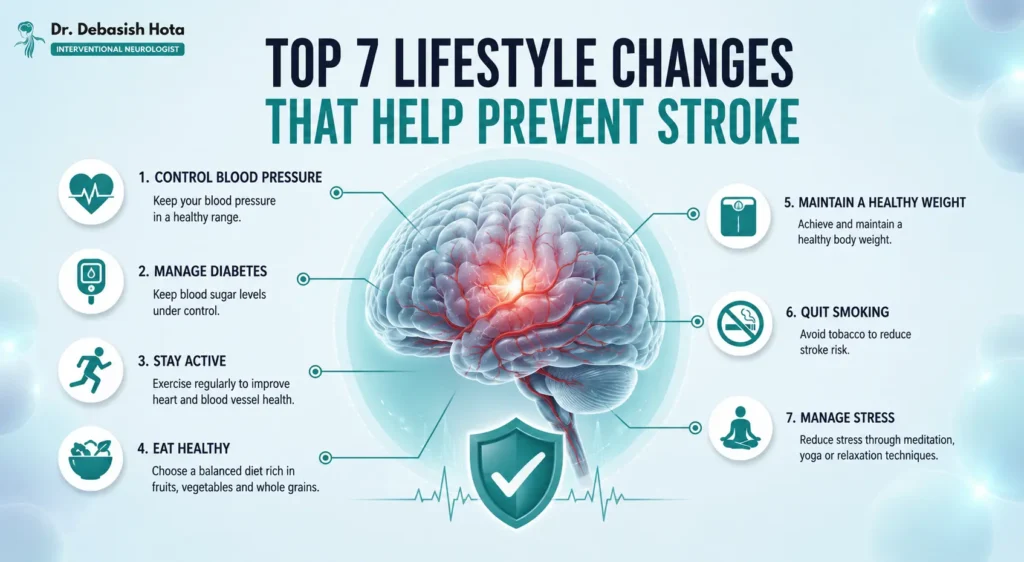
Adopting healthy lifestyle changes to prevent stroke is one of the most effective ways to reduce the risk of this potentially life-threatening condition. While not every stroke can be prevented, many risk factors are modifiable through healthier daily habits and appropriate medical care.
Stroke remains a leading cause of long-term disability and death worldwide. However, managing conditions such as high blood pressure, diabetes, and high cholesterol, along with maintaining a healthy lifestyle, may significantly lower the risk of both first-time and recurrent strokes.
This article explains seven evidence-based lifestyle changes that support brain health, improve cardiovascular health, and help reduce stroke risk.
Why Stroke Prevention Matters
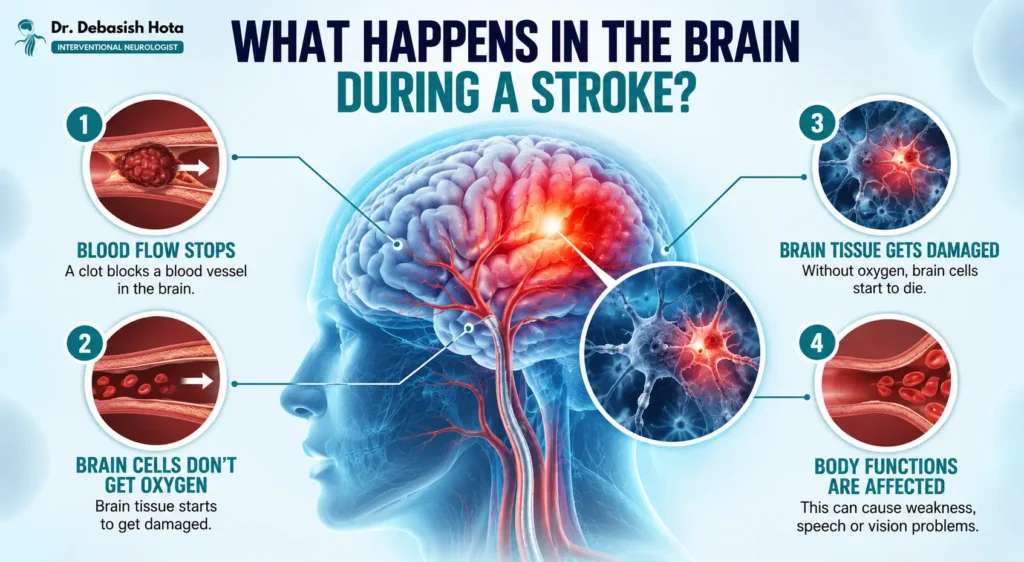
A stroke occurs when blood flow to part of the brain is interrupted or when a blood vessel in the brain ruptures. Without an adequate blood supply, brain cells begin to lose function within minutes.
Although certain risk factors—such as age and family history—cannot be changed, many others are within a person’s control.
Preventive strategies may help:
- Lower the risk of ischemic and hemorrhagic stroke
- Improve heart and blood vessel health
- Reduce the likelihood of recurrent stroke
- Support healthy aging
- Improve overall quality of life
Making gradual, sustainable lifestyle changes often has benefits beyond stroke prevention, including lowering the risk of heart disease, diabetes complications, and kidney disease.
Understanding Stroke Risk Factors
Stroke risk is influenced by a combination of modifiable and non-modifiable factors.
Non-Modifiable Risk Factors
These cannot be changed but help identify individuals who may benefit from regular health screening.
Examples include:
- Increasing age
- Family history of stroke
- Previous stroke or transient ischemic attack (TIA)
- Certain inherited medical conditions
Although these factors cannot be modified, healthy lifestyle choices remain beneficial regardless of age or family history.
Modifiable Risk Factors
Many stroke risk factors can be managed through lifestyle changes and medical care.
These include:
- High blood pressure
- Diabetes
- High cholesterol
- Smoking
- Physical inactivity
- Obesity
- Excess alcohol consumption
- Unhealthy diet
- Atrial fibrillation and certain heart conditions
- Poor sleep habits
- Chronic stress
Addressing these factors plays an important role in reducing stroke risk.
Lifestyle Change 1: Control High Blood Pressure
High blood pressure (hypertension) is one of the most significant modifiable risk factors for stroke. Persistently elevated blood pressure can damage blood vessels, making them more vulnerable to blockage or rupture.
Managing blood pressure is often one of the most effective ways to lower stroke risk.
How Blood Pressure Affects Stroke Risk
When blood pressure remains high over time, it may:
- Damage artery walls
- Accelerate atherosclerosis
- Increase the risk of blood clots
- Weaken blood vessels in the brain
- Increase the likelihood of both ischemic and hemorrhagic stroke
Many people with hypertension have no noticeable symptoms, making routine monitoring especially important.
Practical Tips to Help Control Blood Pressure
You can support healthy blood pressure by:
- Checking your blood pressure regularly
- Taking prescribed medications as directed
- Reducing salt intake
- Maintaining a healthy weight
- Staying physically active
- Limiting alcohol consumption
- Managing stress
- Attending routine medical follow-up appointments
Individuals with hypertension should work closely with their healthcare provider to develop a personalized management plan.
Lifestyle Change 2: Eat a Heart-Healthy, Brain-Healthy Diet
A balanced diet supports healthy blood vessels, helps maintain normal cholesterol levels, and contributes to healthy blood pressure—all of which are important for stroke prevention.
Rather than focusing on a single food, aim for an overall dietary pattern that promotes cardiovascular and brain health.
Foods to Include More Often
Choose a variety of nutrient-rich foods, including:
- Fresh vegetables
- Fruits
- Whole grains
- Beans and lentils
- Nuts and seeds
- Fish
- Skinless poultry
- Low-fat dairy products
- Healthy oils such as olive oil in moderation
These foods provide vitamins, minerals, fiber, and healthy fats that support overall health.
Foods to Limit
Reducing certain foods may help lower cardiovascular risk.
Limit:
- Highly processed foods
- Sugary drinks
- Excess salt
- Foods high in saturated fat
- Trans fats
- Processed meats
Reading food labels and preparing meals at home may help reduce sodium and unhealthy fat intake.
Is the DASH Diet Helpful?
Dietary patterns such as the DASH (Dietary Approaches to Stop Hypertension) eating plan are often recommended for people with high blood pressure. Your healthcare provider or dietitian can advise whether this or another eating plan is appropriate for your individual health needs.
Lifestyle Change 3: Stay Physically Active
Regular physical activity benefits both heart and brain health. It can help improve blood circulation, lower blood pressure, manage weight, and reduce the risk of chronic diseases associated with stroke.
The goal is to find activities that are safe, enjoyable, and sustainable.
Benefits of Regular Exercise
Physical activity may help:
- Lower blood pressure
- Improve cholesterol levels
- Reduce body weight when appropriate
- Improve insulin sensitivity
- Enhance cardiovascular fitness
- Reduce stress
- Improve sleep quality
These combined benefits contribute to lowering overall stroke risk.
How Much Exercise Is Recommended?
For most healthy adults, general public health recommendations include:
- At least 150 minutes of moderate-intensity aerobic activity per week, or
- 75 minutes of vigorous-intensity activity per week, along with
- Muscle-strengthening activities on two or more days each week.
Exercise recommendations may differ for individuals with existing medical conditions. It is important to discuss an appropriate exercise plan with your healthcare provider before starting a new fitness routine.
Simple Ways to Stay Active
You do not need intense workouts to gain health benefits.
Activities may include:
- Brisk walking
- Cycling
- Swimming
- Yoga
- Light jogging
- Gardening
- Household chores
- Climbing stairs when appropriate
Even small increases in daily movement can contribute to better cardiovascular health over time.
Healthy Habits Work Best Together
No single lifestyle change can eliminate the risk of stroke. However, combining healthy eating, regular physical activity, and blood pressure management creates a strong foundation for reducing modifiable stroke risk.
These habits become even more effective when combined with regular medical checkups and appropriate management of conditions such as diabetes and high cholesterol.
Lifestyle Change 4: Stop Smoking and Avoid Tobacco
Smoking is a major modifiable risk factor for stroke. The harmful chemicals in tobacco damage blood vessels, increase inflammation, and make blood more likely to clot. These changes raise the risk of both ischemic and hemorrhagic stroke.
Quitting smoking benefits people of all ages. Whether you have smoked for many years or recently started, stopping tobacco use can improve blood vessel health and reduce future stroke risk.
How Smoking Increases Stroke Risk
Smoking may:
- Damage the inner lining of blood vessels
- Increase blood pressure
- Reduce oxygen delivery throughout the body
- Promote plaque buildup in arteries
- Increase the formation of blood clots
Exposure to secondhand smoke may also increase cardiovascular and cerebrovascular risk.
Tips to Quit Smoking
Quitting tobacco can be challenging, but many people succeed with the right support.
Helpful strategies include:
- Set a quit date and make a plan.
- Identify situations that trigger smoking.
- Seek support from family and friends.
- Ask your healthcare provider about smoking cessation programs or medications if appropriate.
- Replace tobacco with healthier habits such as walking or deep breathing exercises.
Every smoke-free day contributes to better heart and brain health.
Lifestyle Change 5: Limit Alcohol Intake
Excessive alcohol consumption can increase blood pressure, contribute to irregular heart rhythms, and affect overall cardiovascular health. These factors may increase the likelihood of stroke.
If you drink alcohol, moderation is important.
How Alcohol Affects Stroke Risk
Heavy alcohol use may:
- Raise blood pressure
- Increase triglyceride levels
- Contribute to weight gain
- Increase the risk of atrial fibrillation
- Interfere with some medications
The impact of alcohol varies between individuals, and some people may be advised to avoid alcohol altogether due to existing health conditions or medications.
Practical Tips
- Avoid binge drinking.
- Follow your healthcare provider’s advice regarding alcohol intake.
- Choose non-alcoholic beverages more often.
- Stay hydrated.
- Discuss alcohol use honestly during routine medical appointments.
Lifestyle Change 6: Manage Diabetes, Cholesterol, and Maintain a Healthy Weight
Several metabolic conditions increase stroke risk, particularly when they occur together. Managing blood sugar, cholesterol, and body weight supports healthy blood vessels and reduces strain on the cardiovascular system.
Control Diabetes
High blood sugar can damage blood vessels over time, making stroke more likely.
People living with diabetes should:
- Monitor blood sugar regularly as advised.
- Take prescribed medications consistently.
- Follow a balanced eating plan.
- Stay physically active.
- Attend regular medical checkups.
Good diabetes management benefits both heart and brain health.
Manage Cholesterol Levels
High levels of LDL (“bad”) cholesterol can contribute to plaque buildup inside arteries. Narrowed arteries may reduce blood flow or increase the chance of clot formation.
Healthy cholesterol management may include:
- Eating a balanced diet
- Exercising regularly
- Maintaining a healthy weight
- Taking cholesterol-lowering medication when prescribed
Regular blood tests help monitor cholesterol levels over time.
Maintain a Healthy Body Weight
Being overweight or obese is associated with several stroke risk factors, including:
- High blood pressure
- Diabetes
- High cholesterol
- Sleep apnea
Even modest, gradual weight loss can improve overall cardiovascular health when appropriate.
Instead of focusing on rapid weight loss, aim for sustainable lifestyle changes that can be maintained long term.
Lifestyle Change 7: Prioritize Sleep, Manage Stress, and Get Regular Health Checkups
Stroke prevention involves more than diet and exercise. Good sleep, effective stress management, and routine health screenings also contribute to long-term brain and cardiovascular health.
Get Enough Quality Sleep
Poor sleep may contribute to:
- High blood pressure
- Obesity
- Diabetes
- Heart disease
Most adults benefit from consistent, good-quality sleep each night, although individual needs vary.
If you experience loud snoring, pauses in breathing during sleep, or excessive daytime sleepiness, discuss these symptoms with your healthcare provider, as they may suggest a sleep disorder such as obstructive sleep apnea.
Manage Stress
Long-term stress may indirectly increase stroke risk by affecting:
- Blood pressure
- Sleep quality
- Physical activity
- Eating habits
- Smoking or alcohol use
Healthy stress management strategies include:
- Regular physical activity
- Mindfulness or meditation
- Deep breathing exercises
- Spending time with family and friends
- Pursuing enjoyable hobbies
- Seeking professional mental health support when needed
Schedule Regular Health Checkups
Routine health assessments help identify risk factors before complications develop.
Regular checkups may include:
- Blood pressure measurement
- Blood sugar testing
- Cholesterol screening
- Weight assessment
- Heart rhythm evaluation when appropriate
- Medication review
Individuals with multiple risk factors or a family history of stroke may benefit from personalized risk assessment and preventive care.
When to Consult a Neurologist About Stroke Risk
While many stroke risk factors can be managed through healthy lifestyle choices, some individuals may require specialist evaluation.
Consider consulting a neurologist if you:
- Have experienced a previous stroke or transient ischemic attack (TIA)
- Have uncontrolled high blood pressure despite treatment
- Have atrial fibrillation or another heart rhythm disorder
- Experience repeated episodes of sudden weakness, numbness, or speech difficulty
- Have multiple stroke risk factors, such as diabetes, high cholesterol, and smoking
- Have a strong family history of stroke
- Want a personalized stroke risk assessment
A neurologist can evaluate your overall neurological health, recommend appropriate investigations when needed, and coordinate preventive care with your primary healthcare provider.
Risks and Limitations
Lifestyle changes play an important role in reducing stroke risk, but they cannot eliminate the possibility of stroke in every individual.
Some people remain at increased risk because of factors such as:
- Age
- Family history
- Certain inherited conditions
- Previous stroke or TIA
- Structural heart disease
Lifestyle measures should complement—not replace—medical evaluation, prescribed treatments, and regular follow-up with healthcare professionals.
Conclusion
Many strokes are associated with modifiable risk factors, making prevention an important part of lifelong health. Controlling blood pressure, eating a balanced diet, staying physically active, avoiding tobacco, limiting alcohol, managing diabetes and cholesterol, getting adequate sleep, and attending regular health checkups all contribute to healthier blood vessels and better brain health.
If you have concerns about your personal stroke risk, a previous stroke, or multiple cardiovascular risk factors, speak with a qualified neurologist or healthcare professional. They can help evaluate your risk profile and recommend preventive strategies that are appropriate for your individual health needs.
Medical Disclaimer
This article is intended for educational purposes only and should not replace professional medical advice, diagnosis, or treatment. Lifestyle recommendations may not be suitable for everyone. Always consult a qualified healthcare professional before making significant changes to your diet, exercise routine, or prescribed medications, especially if you have existing medical conditions.
Frequently Asked Questions
1. Can lifestyle changes really help prevent stroke?
Yes. Many stroke risk factors are modifiable. Healthy lifestyle habits such as controlling blood pressure, staying physically active, eating a balanced diet, avoiding tobacco, limiting alcohol, and managing diabetes and cholesterol can help reduce the risk of stroke. However, prevention strategies should be individualized based on a person’s overall health and medical history.
2. What is the most effective lifestyle change to reduce stroke risk?
Managing high blood pressure is considered one of the most important ways to reduce stroke risk. Combining blood pressure control with healthy eating, regular exercise, smoking cessation, and routine medical care provides the greatest overall benefit.
3. Can stroke be prevented naturally?
Healthy lifestyle choices can lower the risk of stroke, but they may not completely prevent it. Some people have non-modifiable risk factors such as age, genetics, or certain medical conditions that still require medical monitoring and treatment.
4. Does walking help prevent stroke?
Regular walking is a form of moderate physical activity that supports heart and blood vessel health. It may help lower blood pressure, improve cholesterol levels, maintain a healthy weight, and reduce the risk of stroke when combined with other healthy habits.
5. What foods are good for stroke prevention?
A diet rich in:
- Fruits
- Vegetables
- Whole grains
- Lean proteins
- Fish
- Legumes
- Nuts
- Healthy fats
may support cardiovascular and brain health. Limiting processed foods, excess salt, sugary drinks, and foods high in saturated or trans fats is also recommended.
6. Does quitting smoking reduce stroke risk?
Yes. Stopping smoking reduces damage to blood vessels and improves overall cardiovascular health. The health benefits begin soon after quitting and continue to increase over time.
7. Can losing weight reduce stroke risk?
Maintaining a healthy weight may help lower blood pressure, improve blood sugar control, reduce cholesterol levels, and decrease strain on the heart and blood vessels, all of which contribute to stroke prevention.
8. How does diabetes increase stroke risk?
Persistently high blood sugar can damage blood vessels and increase the likelihood of atherosclerosis, making stroke more likely. Proper diabetes management plays an important role in reducing this risk.
9. Can stress increase the risk of stroke?
Chronic stress may indirectly increase stroke risk by contributing to high blood pressure, unhealthy eating habits, poor sleep, smoking, or excessive alcohol consumption. Managing stress is one part of an overall stroke prevention strategy.
10. Is it too late to reduce stroke risk after age 50?
No. Healthy lifestyle changes can be beneficial at almost any age. Even later in life, improving diet, increasing physical activity, managing chronic medical conditions, and attending regular health checkups may help reduce stroke risk.
11. How often should I have a health checkup for stroke prevention?
The frequency depends on your age, medical history, and individual risk factors. People with hypertension, diabetes, high cholesterol, or a family history of stroke may require more frequent monitoring as advised by their healthcare provider.
12. When should I see a neurologist about stroke prevention?
You should consider consulting a neurologist if you have:
- A previous stroke or transient ischemic attack (TIA)
- Multiple stroke risk factors
- A strong family history of stroke
- Persistent neurological symptoms
- Concerns about your individual stroke risk