
If you or someone you love has epilepsy, one of the first questions is often: Can epilepsy be cured? The answer is not the same for everyone. Some people achieve long-term seizure freedom with treatment, while others may continue to have seizures and need ongoing care.
Epilepsy is a neurological condition involving a lasting tendency to have epileptic seizures. Importantly, a single seizure does not automatically mean that a person has epilepsy. The International League Against Epilepsy (ILAE) uses specific clinical criteria when diagnosing the condition.
Treatment is individualized according to the type of epilepsy, seizure pattern, underlying cause, age, other medical conditions, test results, and response to treatment.
Can Epilepsy Be Cured?
There is no single answer that applies to every patient.
For some people, epilepsy can enter long-term remission, meaning seizures remain absent for an extended period. Others may achieve good seizure control with medication but still need ongoing treatment.
The ILAE uses the term “resolved” rather than “cured” in specific circumstances. Under its practical definition, epilepsy may be considered resolved for someone with an age-dependent epilepsy syndrome who has passed the relevant age, or for someone who has been seizure-free for at least 10 years and has not taken antiseizure medication for at least 5 years. Even then, this does not guarantee that seizures can never return.
Therefore, it is safer to think about epilepsy in terms of seizure control, remission, and individual recurrence risk rather than assuming that treatment always produces a permanent cure.
What Is the Difference Between Epilepsy and a Seizure?
A seizure is an event caused by abnormal electrical activity in the brain.
Epilepsy is a neurological disease characterized by an enduring tendency to have epileptic seizures. A person can experience a seizure for reasons that do not necessarily mean they have epilepsy.
For example, a seizure can sometimes occur in association with an acute brain injury or another medical problem. A neurologist considers the person’s history, examination, investigations, and risk of future seizures before making a diagnosis.
This distinction matters because treatment after one seizure is not automatically the same as long-term epilepsy treatment.
Why Does Epilepsy Develop?
Epilepsy has many possible causes. The WHO groups causes into several broad categories, including:
- Structural: brain injury, stroke, brain malformations, or tumors
- Genetic: certain genetic conditions or epilepsy syndromes
- Infectious: infections affecting the brain
- Metabolic: specific metabolic abnormalities
- Immune: certain immune-related neurological conditions
- Unknown: cases where the cause cannot be identified
The underlying cause can influence seizure type, treatment choices, prognosis, and the likelihood of long-term seizure control.
Can Epilepsy Be Controlled With Medication?
For many people, antiseizure medicines (ASMs) are the main treatment.
The goal is usually to prevent seizures while minimizing unwanted effects. The specific medicine and dose depend on factors such as seizure type, age, other medicines, pregnancy considerations, other health conditions, and individual response.
According to the WHO, up to 70% of people with epilepsy could become seizure-free with appropriate use of antiseizure medicines.
However, this does not mean that every person will respond to the first medication prescribed.
Do Not Stop Epilepsy Medication Suddenly
If seizures have stopped, it can be tempting to assume that medication is no longer necessary.
However, stopping or changing an antiseizure medicine without medical guidance can increase seizure risk. Decisions about reducing or stopping medication should be made with the treating clinician after considering seizure history, epilepsy type, treatment response, and other risk factors.
What If Medicines Do Not Control the Seizures?
Some people continue to have seizures despite appropriate medication trials. This may be described as drug-resistant epilepsy.
The ILAE notes that approximately one-third of people with epilepsy continue to experience seizures despite medication. For selected patients, additional treatments may be considered.
Depending on the person’s epilepsy, these may include:
- Epilepsy surgery
- Neurostimulation therapies
- Dietary therapies in selected cases
- Specialized epilepsy evaluation
- Changes or combinations of antiseizure medicines
Surgery is not suitable for everyone. It may be considered when seizures remain uncontrolled and investigations identify a brain region that can potentially be treated safely.
Can Epilepsy Surgery Cure Epilepsy?
In carefully selected patients, epilepsy surgery can sometimes result in long-term seizure freedom.
However, surgery should not automatically be described as a cure. Its suitability and potential benefit depend on the epilepsy type, seizure origin, brain imaging, neurological assessment, and other specialized testing.
Some patients may also require continued medication after surgery.
A specialist epilepsy evaluation is important before considering surgical treatment.
Can Children Outgrow Epilepsy?
Some childhood epilepsy syndromes are age-dependent and may improve substantially as a child grows.
However, this is not true for every type of childhood epilepsy.
The likelihood of long-term seizure freedom depends on the specific epilepsy syndrome, cause, seizure type, EEG findings, development, response to treatment, and other individual factors.
Parents should not stop medication simply because seizures have become less frequent without discussing it with the child’s neurologist.
Can Epilepsy Develop in Adults?
Yes. Epilepsy can begin at different ages.
Adult-onset epilepsy may be associated with conditions such as stroke, previous brain injury, infections, tumors, genetic factors, or other neurological conditions. Sometimes, however, no clear cause is identified.
A first seizure in an adult should therefore be medically evaluated rather than automatically being labeled as epilepsy.
What Factors Affect the Chance of Seizure Freedom?
The outlook varies considerably between patients.
Factors that can influence seizure control include:
- Type of epilepsy
- Underlying cause
- Age when seizures began
- Seizure frequency
- Seizure type
- EEG findings
- Brain MRI findings
- Response to antiseizure medicines
- Other neurological or medical conditions
- Adherence to the prescribed treatment plan
This is why two people with apparently similar seizures may have very different treatment experiences.
Can Lifestyle Changes Help Control Epilepsy?
Lifestyle measures do not replace prescribed epilepsy treatment, but they can support safer seizure management.
Patients may be advised to:
- Take prescribed medicines consistently
- Maintain a regular sleep schedule
- Avoid known personal seizure triggers
- Limit or avoid alcohol when advised
- Manage stress
- Follow individualized safety recommendations
- Attend scheduled follow-up appointments
- Discuss pregnancy planning with their neurologist when relevant
Lifestyle recommendations should be individualized because triggers and safety concerns differ from person to person.
What Should Families Know About Epilepsy?
A diagnosis of epilepsy does not mean that a person cannot have a meaningful, active life.
Many people with epilepsy achieve good seizure control and continue with education, employment, family life, and many everyday activities.
Families can provide useful support by:
- Learning basic seizure first aid
- Knowing the person’s prescribed emergency plan, if one exists
- Keeping a record of seizures when advised
- Supporting medication adherence without being judgmental
- Attending medical appointments when appropriate
- Helping identify possible triggers
- Avoiding stigma or unnecessary restrictions
During a seizure, do not restrain the person or put objects into their mouth. Instead, focus on preventing injury and follow established seizure first-aid guidance.
When Should You Consult a Neurologist?
A neurological evaluation is particularly important after:
- A first unexplained seizure
- Repeated episodes of loss of awareness or unusual movements
- Recurrent unexplained blackouts
- New seizures in adulthood
- Seizures despite prescribed medication
- Significant medication side effects
- Changes in seizure pattern or frequency
- Questions about reducing or stopping medication
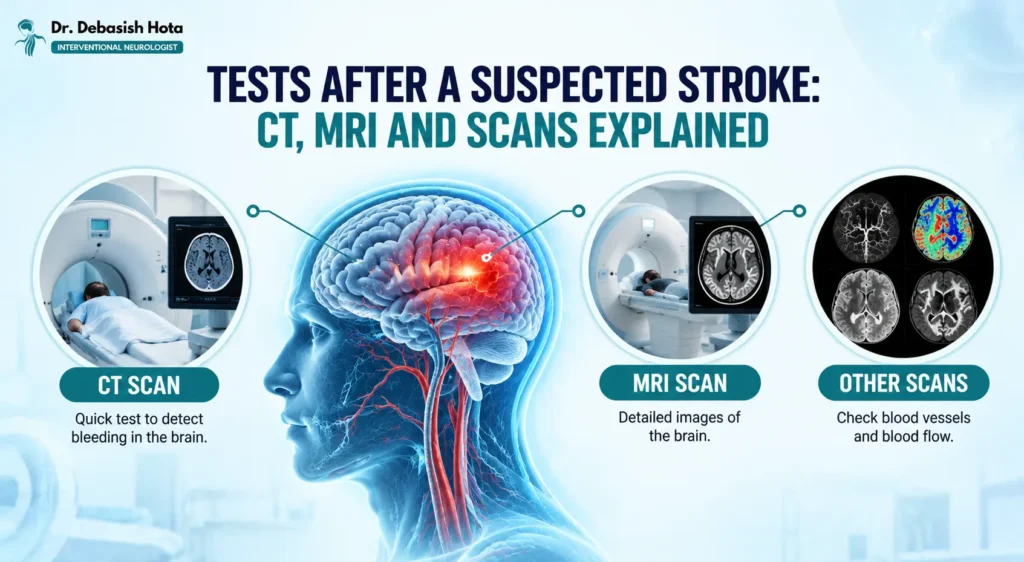
A neurologist may consider investigations such as EEG, brain imaging, blood tests, or other assessments depending on the clinical situation.
Risks and Limitations of Epilepsy Treatment
Epilepsy treatment can be highly effective, but no treatment is appropriate for every patient.
Antiseizure medicines can cause side effects, and some people may continue to experience seizures despite treatment. Surgery and neurostimulation also have specific indications, risks, and limitations.
The most appropriate treatment should therefore be selected after reviewing the individual’s diagnosis and medical history rather than relying on general online information.
Conclusion
So, can epilepsy be cured? In some people, seizures can be controlled for many years or epilepsy can eventually meet criteria for being considered “resolved.” In others, long-term treatment may be needed.
The important point is that epilepsy is highly individual. Seizure control depends on the underlying cause, epilepsy type, treatment response, and several other factors.
If you or a family member has had a seizure or has ongoing epilepsy-related concerns, a neurologist can review the history and determine what evaluation and treatment approach is appropriate.
Medical disclaimer
This article is intended for general educational purposes and does not replace diagnosis, treatment, or individualized medical advice from a qualified healthcare professional. Do not start, stop, or change antiseizure medication without medical guidance.
FAQs
1. Can epilepsy be cured permanently?
Some people achieve long-term seizure freedom, and in specific circumstances epilepsy may eventually be considered “resolved.” However, this does not guarantee that seizures can never return.
2. Can epilepsy be controlled with medication?
Yes. Antiseizure medicines can provide effective seizure control for many people. The WHO reports that up to 70% of people with epilepsy could become seizure-free with appropriate antiseizure treatment.
3. Can epilepsy go away in children?
Some childhood epilepsy syndromes can improve or resolve as children grow. However, the outlook depends on the specific epilepsy syndrome, underlying cause, and other clinical factors.
4. Can epilepsy be treated without surgery?
Yes. Medication is the main treatment for many people. Other options may be considered when seizures remain uncontrolled, depending on the type and cause of epilepsy.
5. Can epilepsy surgery stop seizures permanently?
Epilepsy surgery can provide long-term seizure freedom for selected patients, but it is not suitable for everyone and does not guarantee permanent freedom from seizures.
6. Should I stop epilepsy medicine if I have no seizures?
No. Do not stop or reduce antiseizure medication on your own. Medication changes should be discussed with the treating clinician because seizure recurrence risk varies between individuals.