
A stroke can happen when blood flow to part of the brain is blocked or when a blood vessel in the brain ruptures. Because brain injury can develop quickly, recognizing stroke warning signs and acting immediately is critical.
The symptoms often begin suddenly. They may affect movement, speech, vision, balance, or understanding. Importantly, symptoms that improve or disappear should not simply be ignored because they may represent a transient ischemic attack (TIA).
This guide explains seven important stroke symptoms, how to recognize them using B.E. F.A.S.T., and what to do when they occur.
Important: If someone is experiencing sudden symptoms that could indicate a stroke, seek emergency medical care immediately rather than waiting for the symptoms to improve.
What Are the Warning Signs of a Stroke?
The American Stroke Association recommends the B.E. F.A.S.T. framework:
- B — Balance: Sudden loss of balance or coordination
- E — Eyes: Sudden vision changes
- F — Face: Facial drooping or numbness
- A — Arm: Sudden arm weakness or numbness
- S — Speech: Speech or language difficulty
- T — Time: Call emergency services immediately
Other sudden neurological symptoms, including severe unexplained headache, confusion, or one-sided numbness, can also occur.
Why Stroke Symptoms Need Immediate Attention
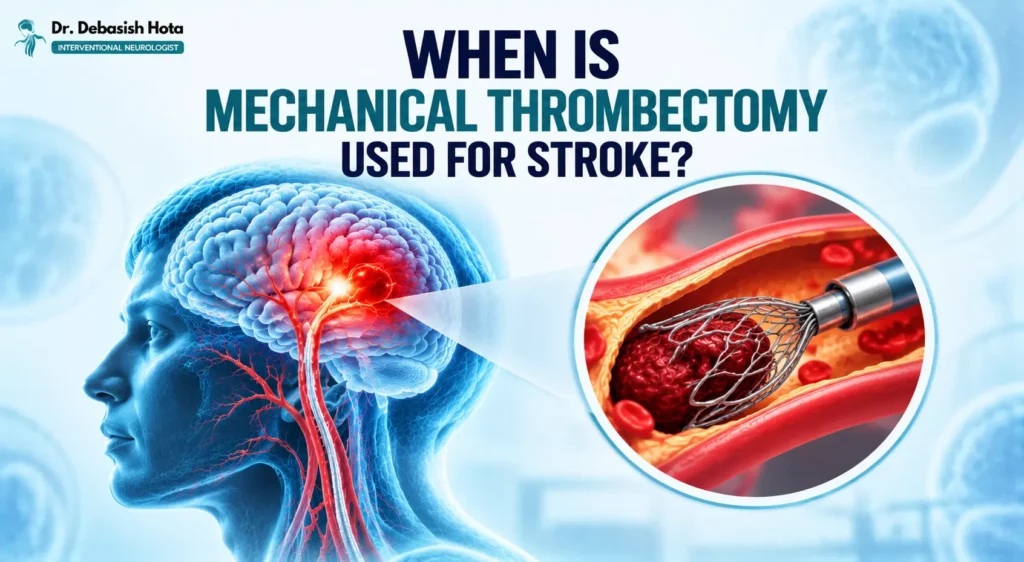
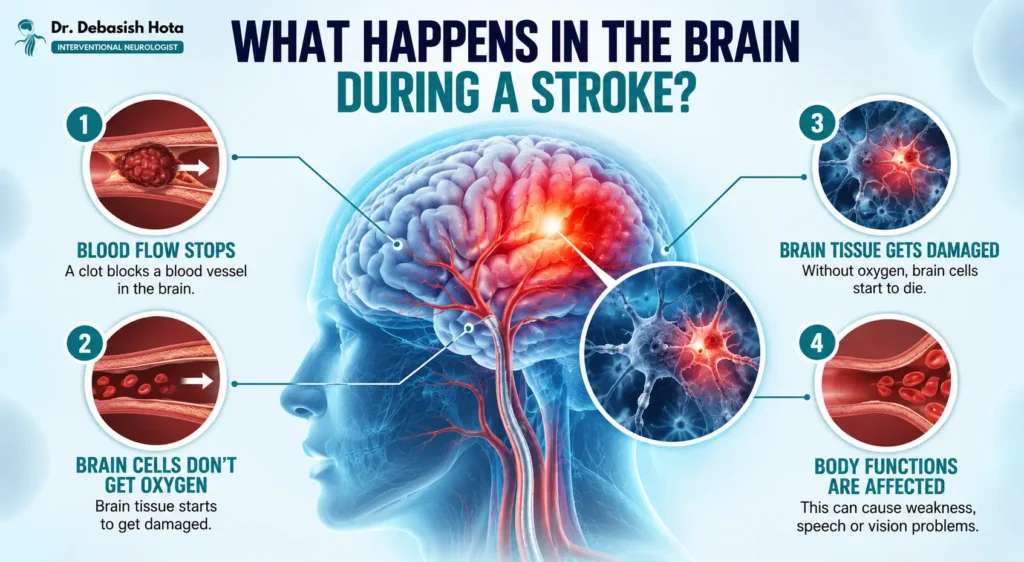
A stroke is a medical emergency. When blood flow to part of the brain is interrupted, brain cells can become damaged because they are deprived of oxygen and nutrients.
Some treatments for eligible ischemic strokes are time-sensitive. Therefore, it is important to note when symptoms first started or when the person was last known to be well.
Do not wait to see whether symptoms improve.
Stroke Warning Sign 1: Facial Drooping or Numbness
One side of the face may suddenly become weak or numb.
You may notice:
- One side of the mouth appears to droop
- The smile becomes uneven
- One side of the face feels numb
- Facial movement becomes difficult
Ask the person to smile if they are able to respond. An uneven smile can be an important warning sign.
Facial weakness can have causes other than stroke, but sudden facial weakness should be treated as an emergency until evaluated by medical professionals.
Stroke Warning Sign 2: Sudden Arm or Leg Weakness
Sudden weakness or numbness in an arm or leg, particularly on one side of the body, is another important warning sign.
The person may:
- Suddenly drop an object
- Have difficulty lifting one arm
- Feel numbness on one side
- Have trouble standing or walking
- Experience weakness affecting the face, arm, or leg
Ask the person to raise both arms if they can do so safely. If one arm drifts downward or cannot be lifted normally, seek emergency help immediately.
Stroke Warning Sign 3: Speech or Language Difficulty
A stroke can suddenly affect a person’s ability to speak or understand language.
Possible changes include:
- Slurred speech
- Difficulty finding words
- Speaking strangely or incoherently
- Difficulty understanding what others are saying
- Suddenly being unable to communicate normally
Ask the person to repeat a simple sentence if they are able. New, sudden speech difficulty requires urgent medical evaluation.
Stroke Warning Sign 4: Sudden Vision Changes
Stroke may cause sudden changes in vision involving one or both eyes.
These may include:
- Blurred vision
- Double vision
- Partial or complete loss of vision
- Difficulty seeing normally
Sudden visual symptoms can sometimes occur without obvious weakness or facial drooping. That is why vision changes are included in B.E. F.A.S.T. stroke recognition.
Stroke Warning Sign 5: Sudden Loss of Balance or Coordination
A person experiencing a stroke may suddenly become unsteady or have difficulty coordinating their movements.
Watch for:
- Sudden dizziness
- Difficulty walking
- Loss of balance
- Trouble coordinating movements
- Sudden inability to stand or walk normally
Sudden dizziness does not always mean stroke. However, when it is new, severe, or accompanied by other neurological symptoms, it requires urgent evaluation.
Stroke Warning Sign 6: Sudden Confusion or Difficulty Understanding
A person may suddenly become confused or have difficulty understanding what is being said.
You might notice:
- Sudden disorientation
- Difficulty following simple instructions
- Trouble understanding speech
- Unexpected difficulty communicating
- Sudden changes in awareness or behavior
Sudden confusion can have many causes, but when it develops abruptly, stroke should be considered among the medical emergencies requiring assessment.
Stroke Warning Sign 7: Sudden Severe Headache
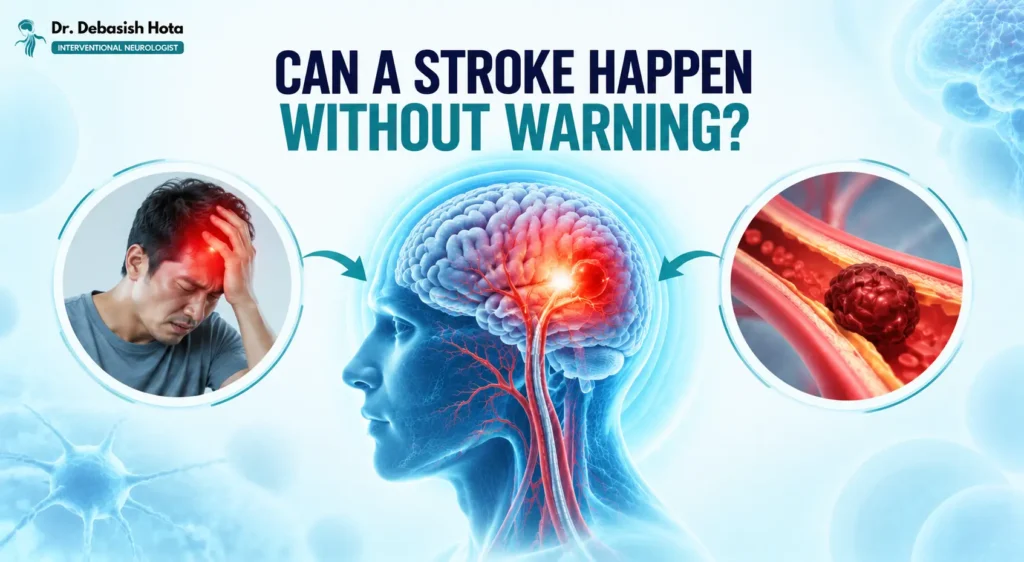
A sudden, severe headache without a known cause can be a stroke warning sign, particularly when it occurs with other neurological symptoms.
Seek emergency care if a severe headache develops suddenly, especially when accompanied by:
- Weakness or numbness
- Speech difficulty
- Confusion
- Vision changes
- Loss of balance
- Vomiting or other sudden neurological changes
A headache by itself does not automatically mean that someone is having a stroke. However, a sudden severe or unusual headache should not be dismissed.
What to Do If You Notice Stroke Warning Signs
If you notice one or more sudden symptoms that could indicate a stroke:
- Treat the situation as an emergency.
- Call your local emergency medical service immediately.
- Note the exact time the symptoms began, or the last time the person was known to be normal.
- Tell emergency personnel that you suspect a stroke.
- Keep the person safe while waiting for medical help.
- Do not delay emergency care to see whether symptoms disappear.
Emergency medical transport can allow medical personnel to begin assessment and care during transportation.
For patients in Bhubaneswar, sudden stroke symptoms should be treated as an emergency rather than waiting for a routine neurologist appointment.
Can Stroke Symptoms Go Away?
Yes. Stroke-like symptoms can sometimes disappear after a short period.
This may happen with a transient ischemic attack (TIA), sometimes called a “mini-stroke.” A TIA can cause symptoms similar to a stroke, but the symptoms may resolve.
However, disappearing symptoms do not mean that the problem is harmless.
If sudden facial weakness, speech difficulty, numbness, vision changes, dizziness, or another stroke-like symptom disappears, the person still needs urgent medical assessment.
Do not use symptom improvement as a reason to postpone medical care.
When to Seek Emergency Stroke Care
Seek emergency medical attention immediately for new, sudden neurological symptoms, particularly:
- Facial drooping
- One-sided arm or leg weakness
- Speech difficulty
- Sudden vision loss or changes
- Sudden loss of balance
- Sudden confusion
- Sudden severe headache
The safest approach is not to try to determine the cause at home. Stroke, TIA, seizure, migraine, low blood sugar, and other conditions can sometimes produce overlapping symptoms.
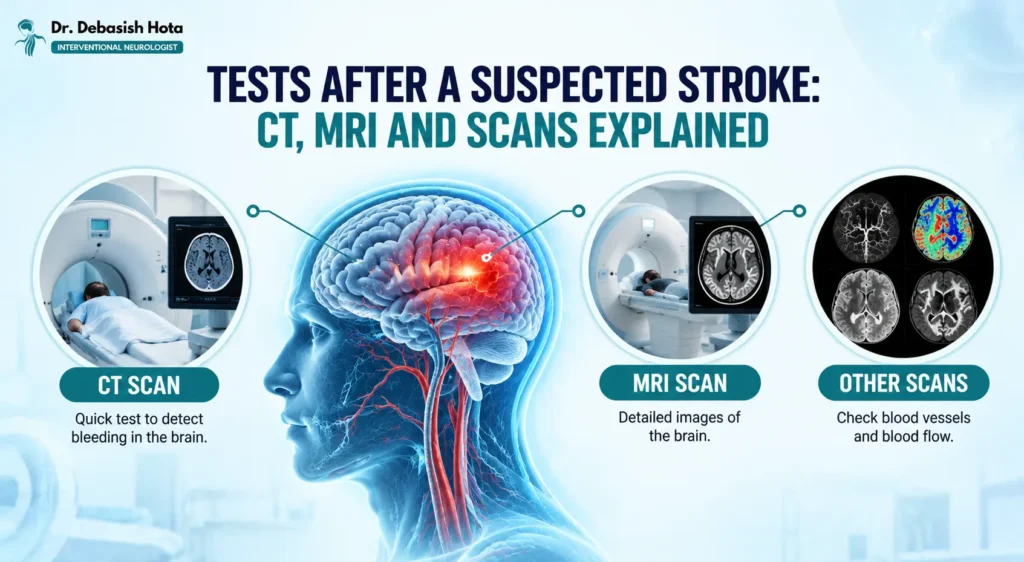
A healthcare team may need neurological examination and brain or blood-vessel imaging to determine what is happening.
Conclusion
Knowing the stroke warning signs can help patients and families recognize sudden neurological changes that require urgent medical attention. The B.E. F.A.S.T. approach—Balance, Eyes, Face, Arm, Speech and Time—provides a simple way to remember several major warning signs.
Do not wait for symptoms to become severe, and do not dismiss them simply because they improve or disappear. A suspected stroke or TIA requires prompt medical evaluation.
If you or a family member develops sudden symptoms suggestive of stroke, seek emergency medical care immediately. For non-emergency concerns about stroke risk or previous stroke symptoms, a neurologist can assess the individual’s medical history and risk factors.
Medical Disclaimer
This article is intended for general educational and informational purposes only. It does not replace professional medical advice, diagnosis, or treatment from a qualified healthcare professional. Stroke symptoms can be a medical emergency. If you or someone else develops sudden facial drooping, weakness or numbness, speech difficulty, vision changes, loss of balance, confusion, or a sudden severe headache, seek emergency medical care immediately. Do not delay care because symptoms improve or disappear. Individual symptoms can have different causes, and only an appropriate medical evaluation can determine the diagnosis and treatment.
FAQs
1. What are the first warning signs of a stroke?
Common sudden warning signs include facial drooping, arm or leg weakness or numbness, speech difficulty, vision changes, loss of balance, confusion, and severe headache without a known cause.
2. What is B.E. F.A.S.T. for stroke?
B.E. F.A.S.T. stands for Balance, Eyes, Face, Arm, Speech and Time. It helps people recognize several important stroke warning signs and remember to seek emergency help immediately.
3. Can sudden dizziness be a sign of stroke?
Yes. Sudden dizziness or loss of balance can occur with stroke, particularly when accompanied by other sudden neurological symptoms.
4. Can stroke symptoms disappear after a few minutes?
Yes. Temporary stroke-like symptoms can occur with a TIA. Even when symptoms disappear, urgent medical assessment is necessary.
5. Should I call emergency services if stroke symptoms go away?
Yes. Stroke-like symptoms that disappear can indicate a TIA, which requires urgent evaluation because it can signal an increased risk of a future stroke.
6. Can young adults have stroke symptoms?
Yes. Stroke can occur at any age, including in younger adults. Sudden neurological symptoms should not be dismissed because of a person’s age.
7. Is sudden speech difficulty a stroke symptom?
Sudden slurred speech, difficulty speaking, or difficulty understanding speech can be signs of stroke and require urgent medical evaluation.
8. What time should be recorded when stroke symptoms begin?
Record the time the symptoms were first noticed, or the last time the person was known to be without symptoms. This information can help the medical team determine appropriate treatment options.